How Water Intake Affects Energy Levels
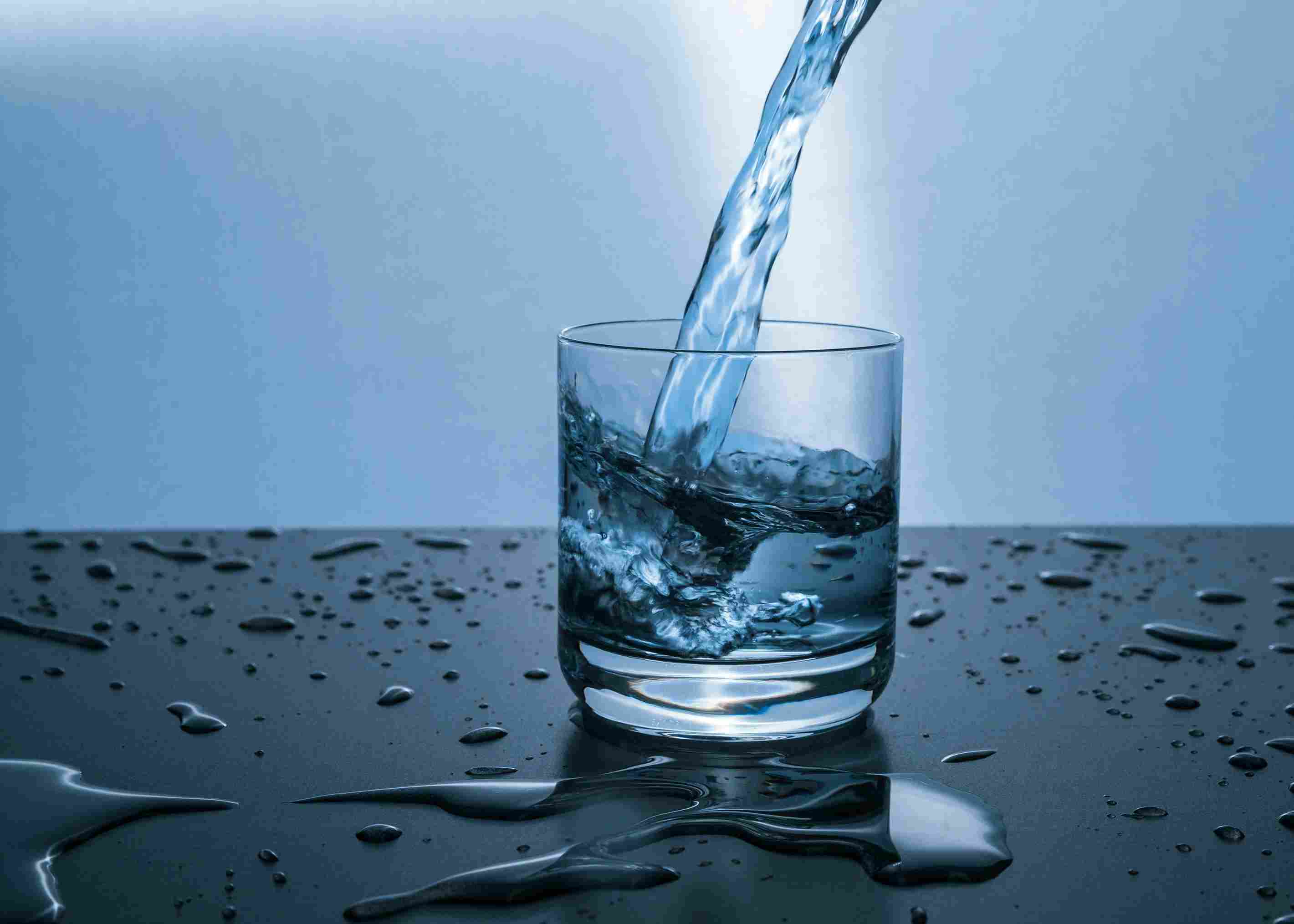
We all know water keeps us alive, but not everyone realises how directly hydration influences energy, mood, and mental clarity. Even mild dehydration — losing as little as 1–2% of your body weight in fluid — can produce measurable dips in alertness, reaction time and stamina. The encouraging part: improving water intake is fast, free and effective for boosting day-to-day energy.
Why water matters for energy — a simple physiology primer
Water supports nearly every energy-producing mechanism in the body:
- Cellular chemistry: metabolic reactions run in aqueous environments — less water means slower chemistry.
- Blood volume & circulation: dehydration reduces blood volume and forces your heart to work harder to deliver oxygen.
- Thermoregulation: sweating and cooling are impaired when fluids are low, making activity feel harder.
- Nutrient & waste transport: water carries glucose, oxygen and removes metabolic waste; if transport slows, tissues become inefficient and tired.


Signs you might be mildly dehydrated
Mild dehydration can be subtle. Watch for:
- Persistent tiredness despite adequate sleep
- Dry mouth or slightly sticky saliva
- Headache, foggy thinking or trouble concentrating
- Lightheadedness when standing up
- Darker urine or less frequent bathroom trips
- Muscle cramps or a sense of heaviness
How much water do you need?
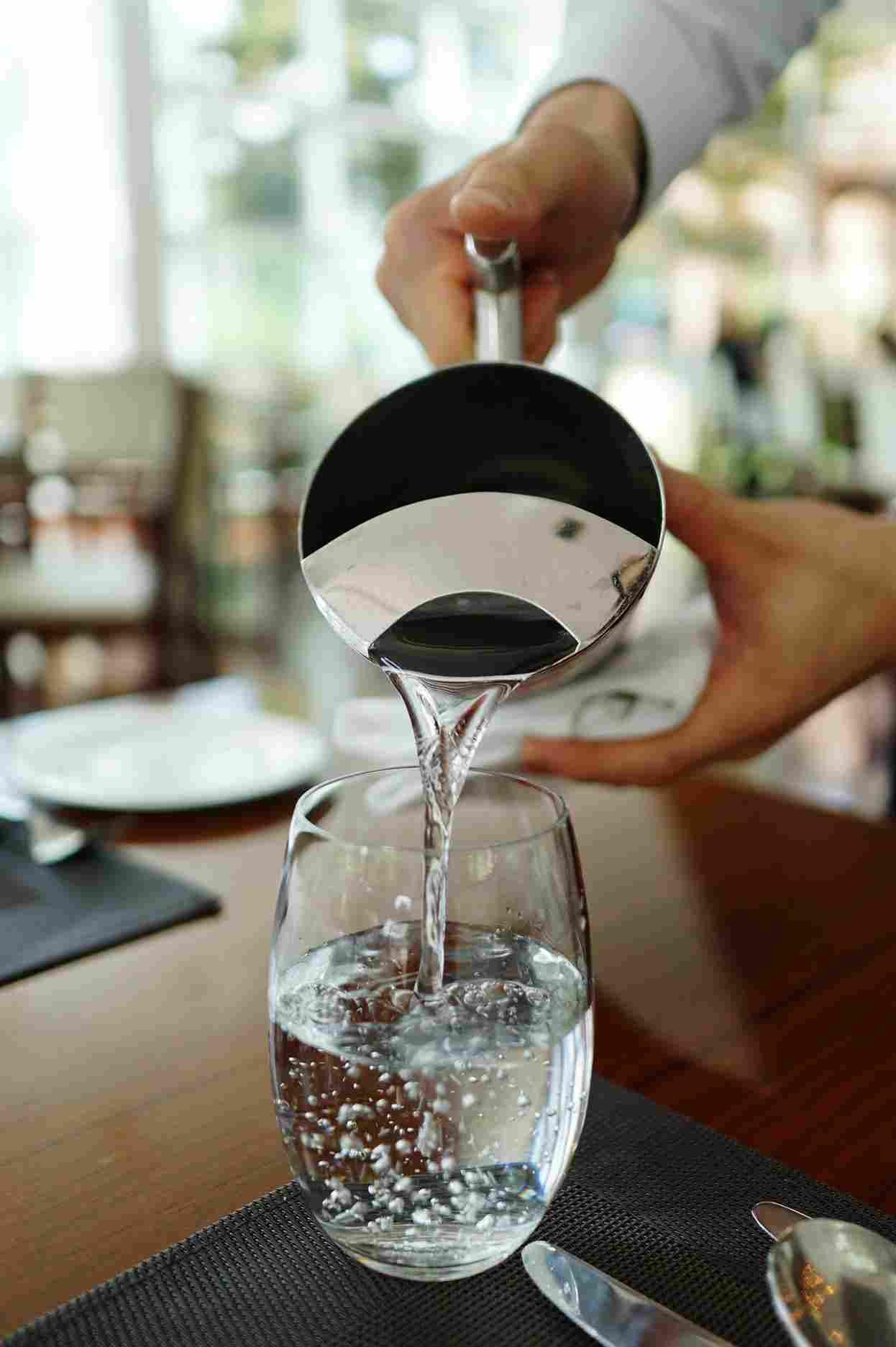
Needs vary by body size, climate, activity and sweat rate. A practical starting guideline for many adults is around 2–3 liters per day (roughly 8–12 cups), with higher intake for hot weather or intense activity. Thirst helps but is not perfect — urine color and frequency are better, real-time cues.
How dehydration quickly lowers energy — the practical effects
The pathways above translate into tangible effects:
- Reduced oxygen to the brain — you feel slow, unfocused or foggy.
- Lowered mood & alertness — even small fluid losses link to irritability and reduced attention.
- Muscle fatigue — physical tasks feel harder, workouts end sooner.
- Electrolyte imbalance — cramps, nerve sluggishness and greater perceived effort.
Simple hydration habits to raise energy — habits that stick
Small consistent habits beat occasional big gulps. Try these:
- Start the day with water: 200–300 ml after waking helps recover overnight fluid losses.
- Keep water visible: a bottle at your desk and one by your bed increases sipping frequency.
- Sip, don’t chug: frequent small sips hydrate more steadily and gently for your kidneys.
- Use urine color: aim for pale straw color as a simple gauge.
- Flavor lightly if needed: lemon, cucumber or mint makes water more inviting without heavy calories.
- Replace fluids around exercise: sip before, during and after activity; use electrolyte drinks for long/hard sessions.
| Time | Routine | Approx. Volume |
|---|---|---|
| On waking | Drink 1 glass of water (add lemon if you like) | 200–300 ml |
| Mid-morning | Sip water while working — small frequent sips | 150–200 ml every hour |
| Lunch | Drink a glass alongside your meal | 250–300 ml |
| Afternoon | Sip water; take a short walk and hydrate | 150–200 ml |
| Pre/post workout | Drink before exercise and replenish after | 200–400 ml (varies) |
| Evening | Small glass with dinner; avoid excessive volume at night | 150–200 ml |
When dehydration becomes serious — warning signs
Seek prompt medical care if you experience: very low or no urine, dark brown urine, severe dizziness, confusion, rapid heartbeat, high fever, or inability to keep fluids down. Severe dehydration can be dangerous and needs professional treatment.


Common myths & quick answers
“Coffee doesn’t count — I get dehydrated from caffeine.”
Coffee and tea do count toward fluid intake. For most habitual caffeine users, the mild diuretic effect is negligible
compared with the fluid provided. If you drink many caffeinated beverages, add a bit more plain water to balance.
“Should I chug water to feel instantly better?”
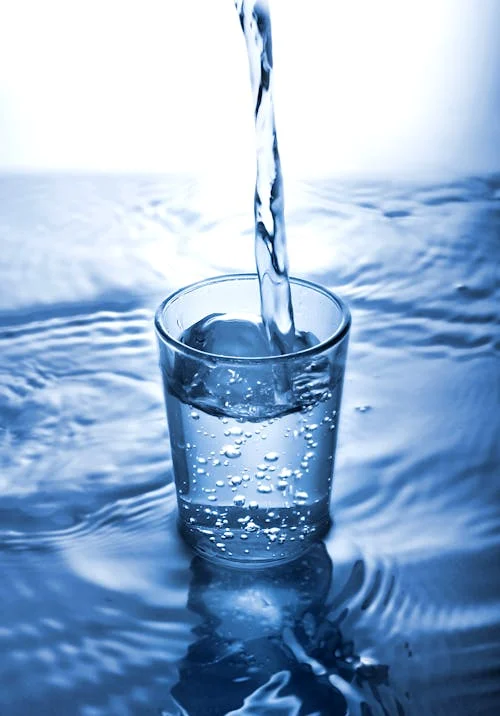
Chugging can temporarily help thirst but steady sipping over the day is a safer, more sustainable approach.
Rapidly drinking very large volumes is unnecessary and, in extreme rare cases, can cause electrolyte imbalance.
Small experiment — try this for three days
If you’re curious whether hydration explains your low energy, try this micro-challenge:
- Day 1: Track everything you drink — see where you are now.
- Days 2–3: Follow the schedule above (start with morning glass + visible bottle + sips every hour).
- Note changes in energy, headaches, concentration and mood.
Final takeaway
Hydration is one of the easiest and most underused levers to lift daily energy. Small, consistent habits — a morning glass, a visible bottle, sipping throughout the day, and mindful replacement around exercise — produce big returns: improved clarity, fewer headaches, better workouts and steadier mood. Start with small changes today and watch your energy rebound.