Dumbbell Exercises for Full-Body Strength
Simple but powerful movements that build muscle at home.
If you’ve got a pair of dumbbells and a small patch of floor, you already have a mini home gym. You don’t need a fancy setup, machines, or a huge workout plan to get stronger. A handful of simple dumbbell exercises, done consistently, can build serious full-body strength, improve posture, and make everyday tasks feel easier.
In this guide, you’ll learn why dumbbells are perfect for home workouts, how to set yourself up safely, the key full-body exercises you should focus on, and a simple 4-week plan to get stronger week by week.
Why Dumbbells Are Perfect for Full-Body Training
- Beginner-friendly: Most movements are natural and easy to learn.
- Joint-friendly: Your arms and legs can move freely, reducing joint strain.
- Versatile: One pair can train your legs, chest, back, shoulders, arms, and core.
- Space-saving: They fit easily into small rooms and can be stored under a bed or in a corner.
Before You Start: Set Yourself Up for Success
1. Choose the Right Weight
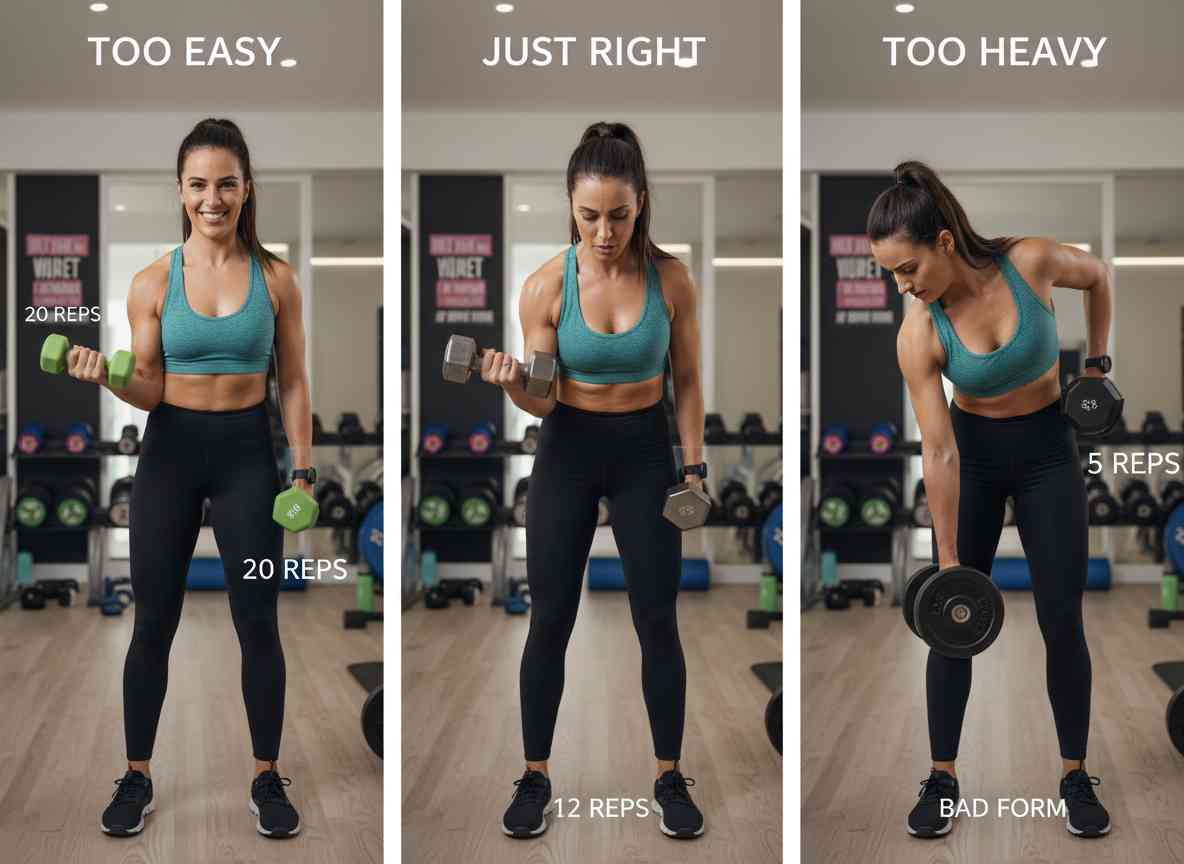
The right dumbbell weight should feel challenging but still controllable. As a simple rule:
- You can perform 10–12 reps with good technique.
- The last 2–3 reps feel tough but not sloppy.
- You’re not holding your breath or swinging the weight around.
If you only have one pair and it feels too light, you can make it harder by doing more reps, slowing down the movement, or adding a pause at the hardest point of each exercise.
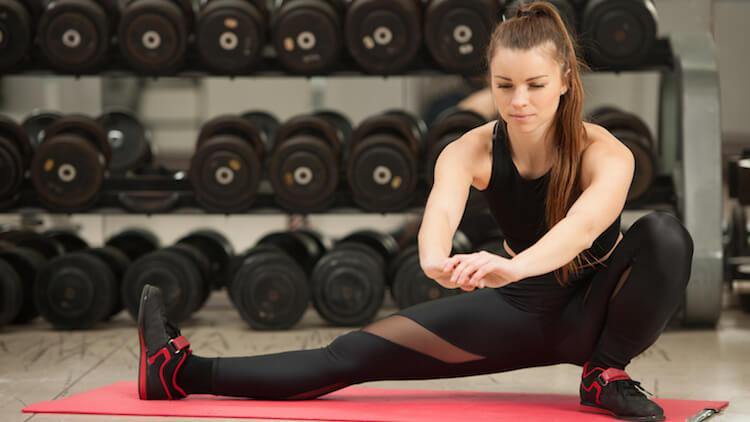
2. Warm Up for 5–7 Minutes
A quick warm-up wakes up your muscles, lubricates your joints, and prepares your body for strength work:
- March or jog in place – 1 minute
- Arm circles – 10 forward + 10 backward
- Bodyweight squats – 10 reps
- Hip circles – 10 each direction
- Gentle torso twists – 20–30 seconds
3. Form Over Ego
Good form builds muscle and keeps you safe. Bad form builds injuries. Focus on:
- Keeping your core lightly braced, as if someone is poking your belly.
- Moving in a smooth, controlled way — no jerking or throwing the weights.
- Breathing out on the effort (when you push or pull), and in on the way back.
8 Simple Dumbbell Exercises for Full-Body Strength
These compound movements work multiple muscles at once and give you the most results for your effort. You don’t need dozens of fancy exercises — these basics are enough to train your whole body.
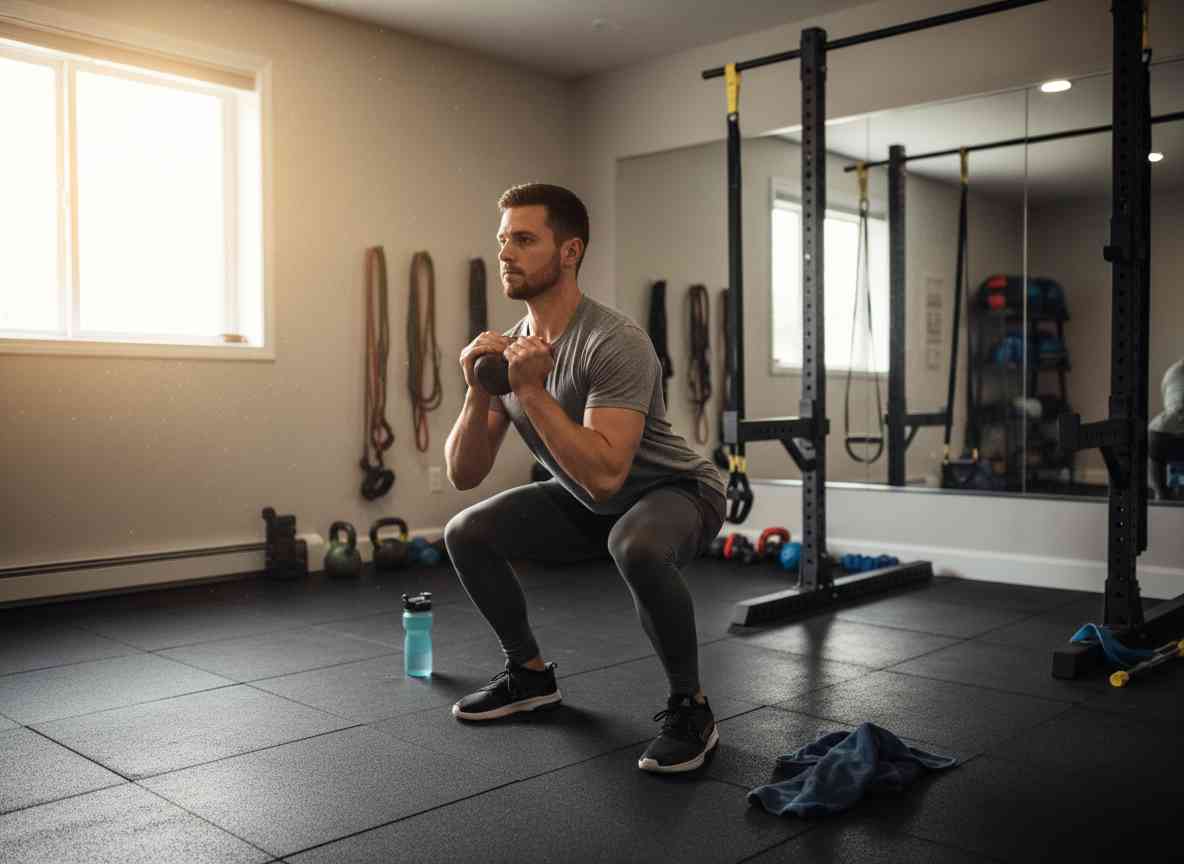
1. Dumbbell Goblet Squat
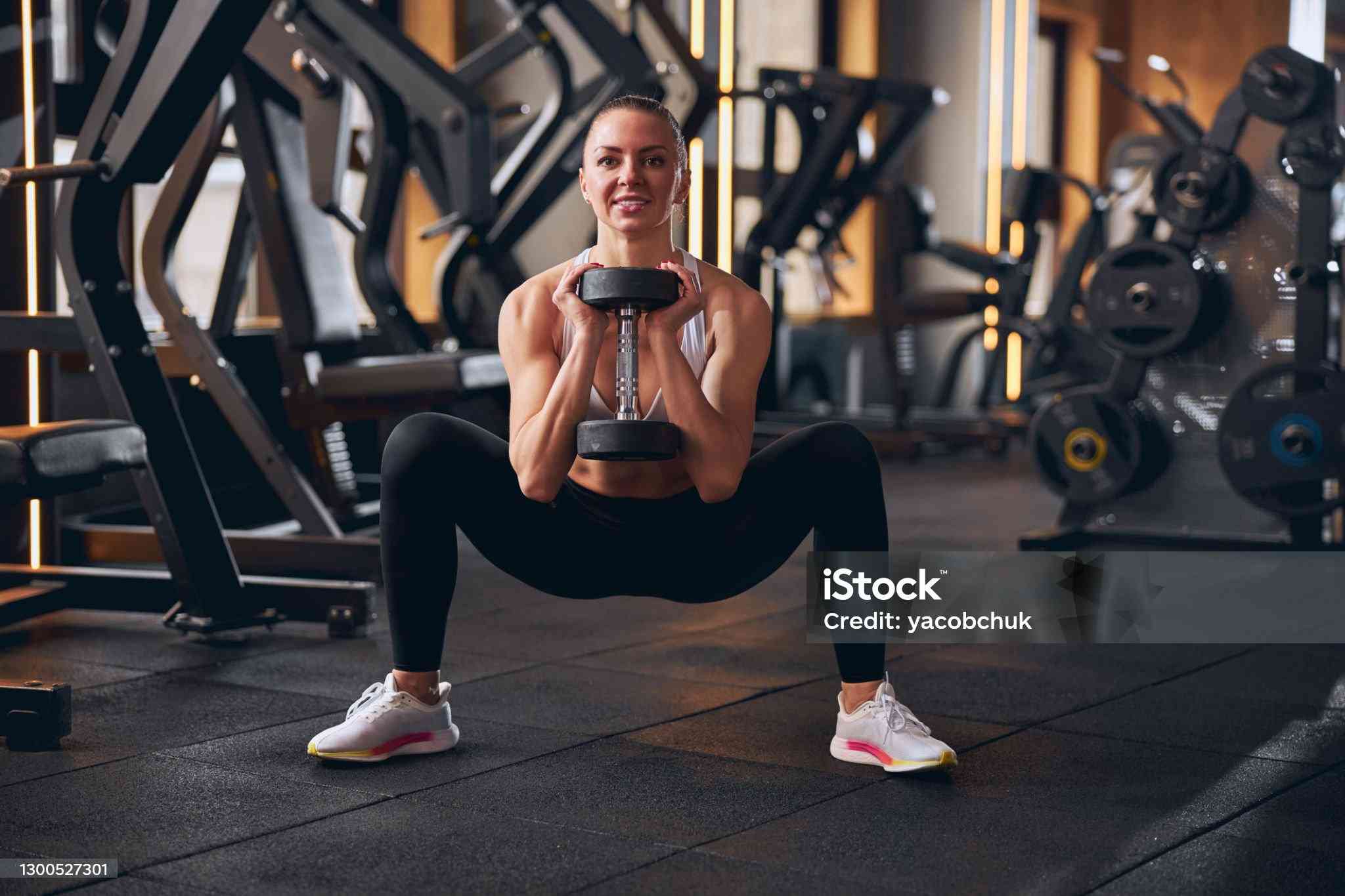
Muscles worked: Quads, glutes, hamstrings, core
How to do it:
- Stand with feet about shoulder-width apart.
- Hold one dumbbell vertically close to your chest, hands cupping the top end.
- Brace your core, keep your chest up, and push your hips back as you bend your knees.
- Squat down until your thighs are at least parallel (or as low as feels comfortable).
- Press through your heels to stand back up, squeezing your glutes at the top.
Avoid: Knees collapsing inward, heels lifting off the floor, or rounding your back.
2. Dumbbell Romanian Deadlift (RDL)
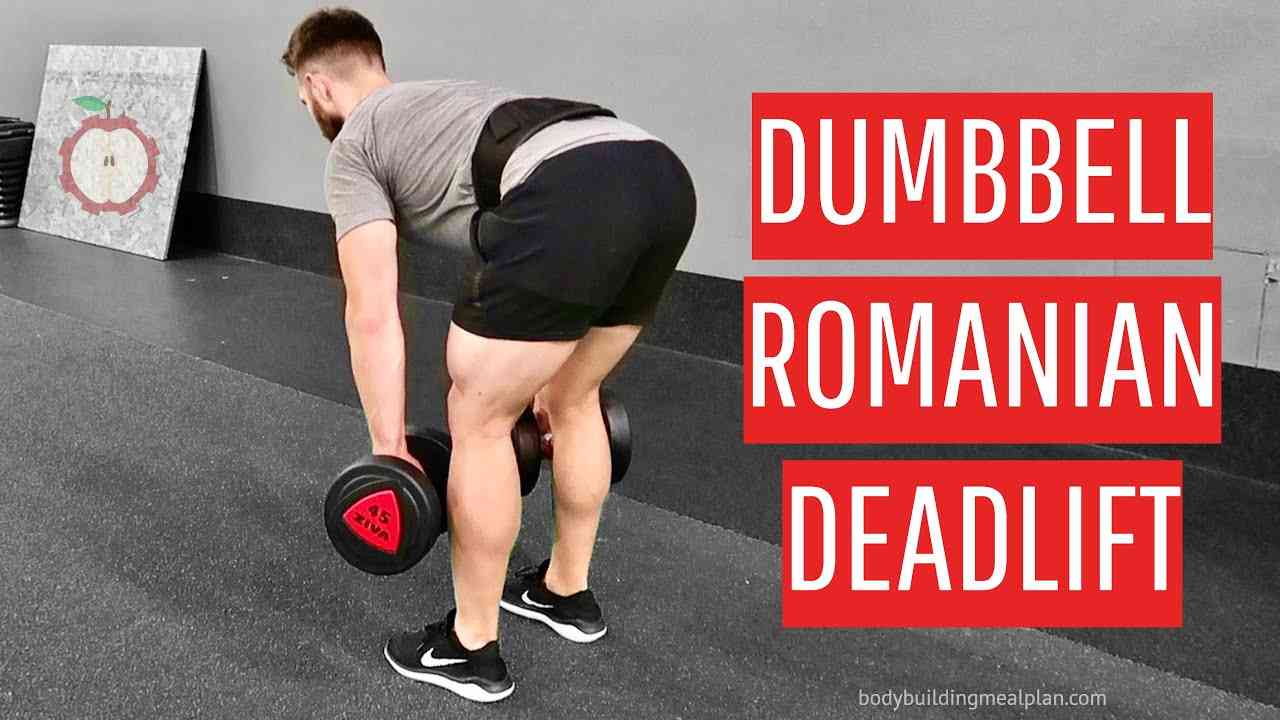
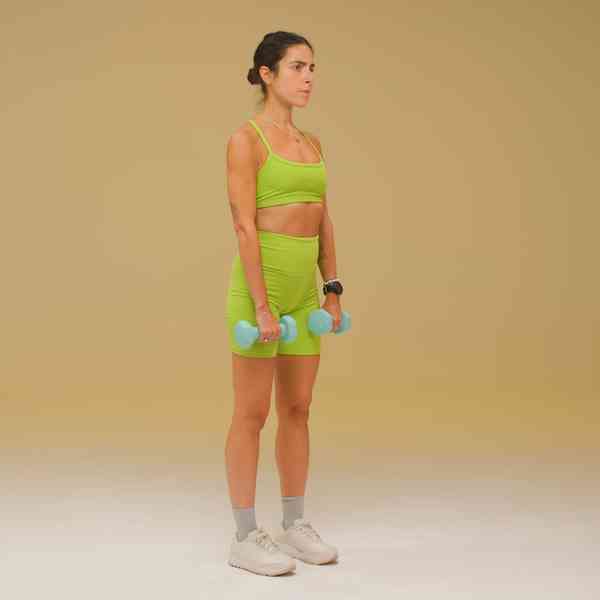
Muscles worked: Hamstrings, glutes, lower back
How to do it:
- Stand tall with a dumbbell in each hand in front of your thighs, palms facing in.
- Soften your knees slightly.
- Push your hips back and let the dumbbells slide down your thighs, keeping your back flat.
- Lower until you feel a strong stretch in your hamstrings (usually just below the knees).
- Squeeze your glutes and bring your hips forward to return to standing.
Avoid: Turning it into a squat or rounding your lower back.
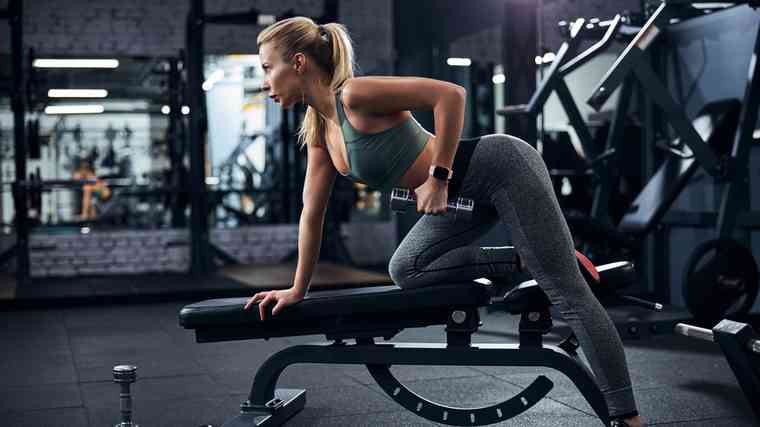
3. One-Arm Dumbbell Row
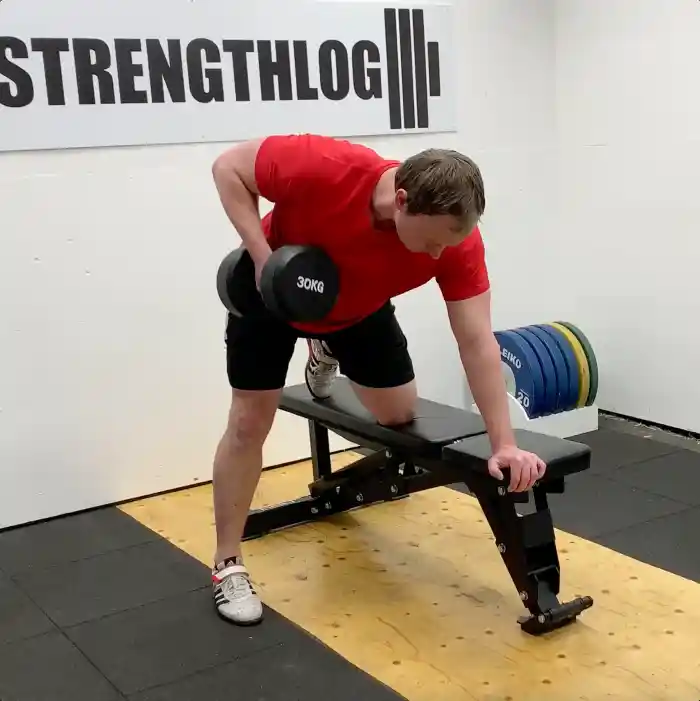
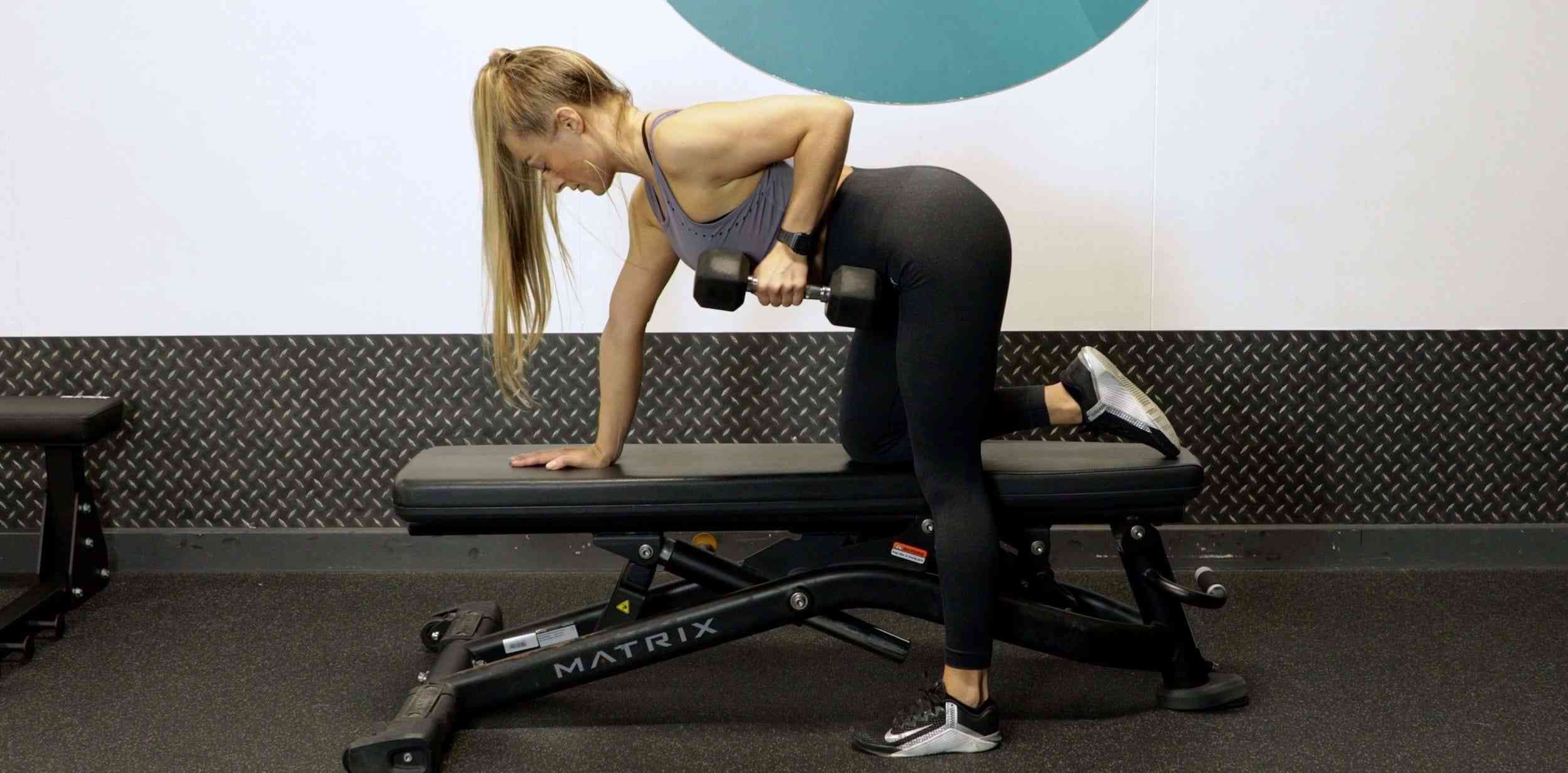
Muscles worked: Upper back, lats, biceps, rear shoulders
How to do it:
- Place one hand and one knee on a bench or sturdy surface, with the other foot on the floor.
- Hold a dumbbell in the free hand, arm straight down, back flat.
- Pull the weight up toward your hip, squeezing your shoulder blade back.
- Lower slowly and repeat, then switch sides.
Avoid: Shrugging your shoulder up to your ear or twisting your torso to “help” the weight up.
4. Dumbbell Floor Press
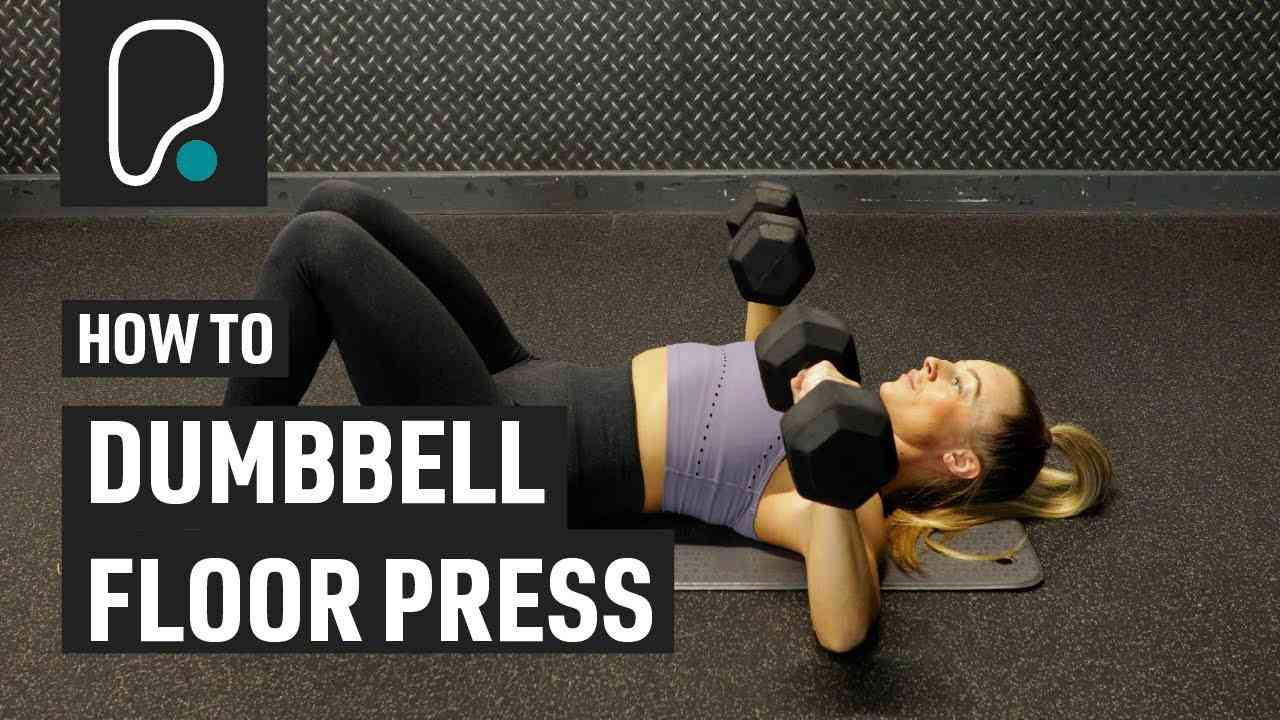
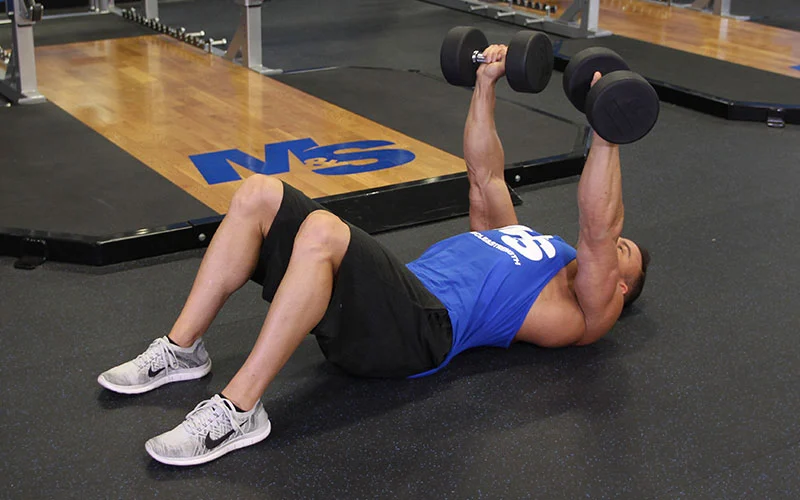
Muscles worked: Chest, triceps, shoulders
How to do it:
- Lie on your back on the floor with knees bent and feet flat.
- Hold a dumbbell in each hand with elbows bent at about 45° from your body.
- Press the weights straight up until your arms are almost straight.
- Lower slowly until your upper arms touch the floor, then press again.
Avoid: Flaring your elbows straight out to the sides or bouncing off the floor.
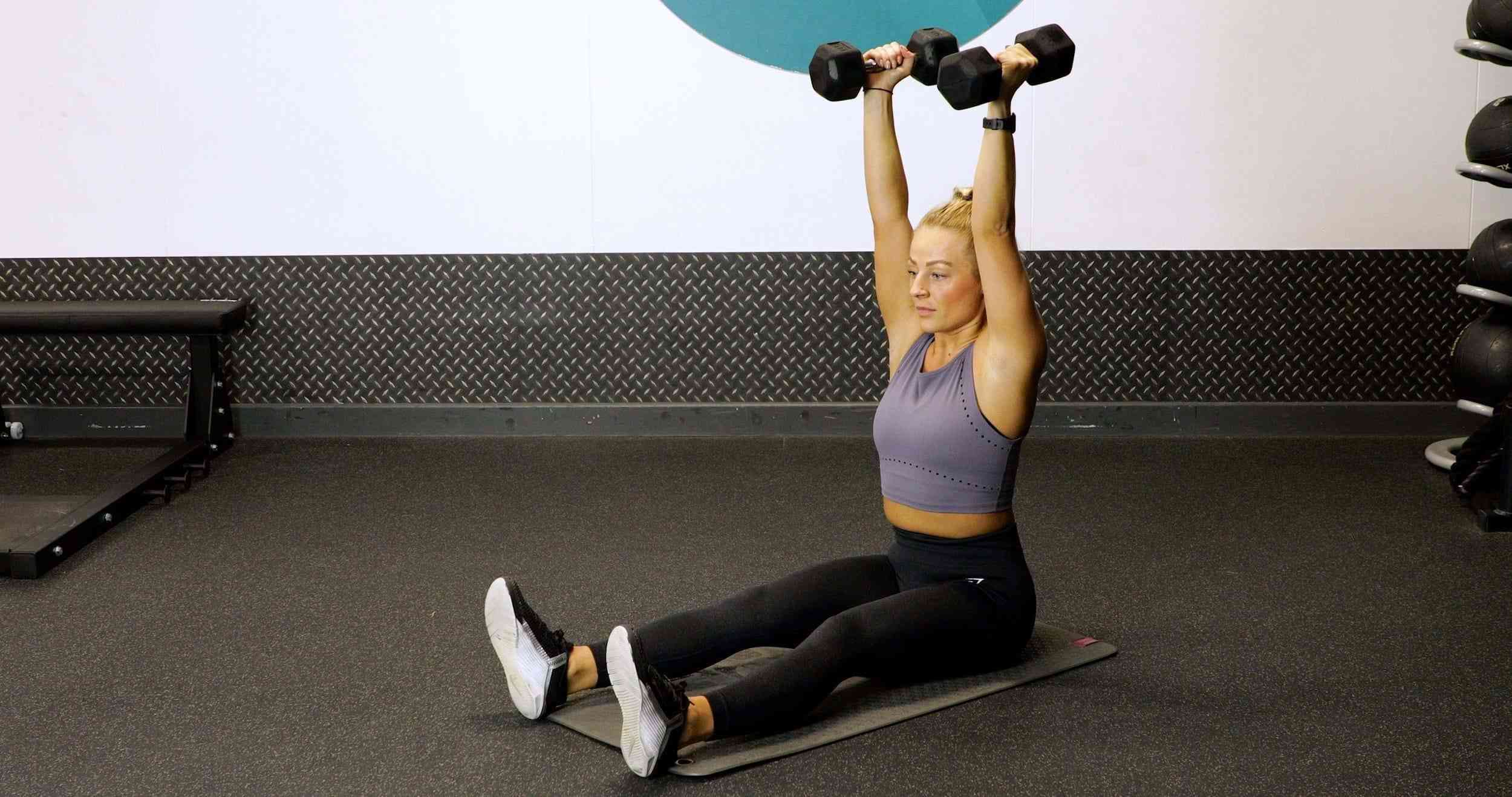
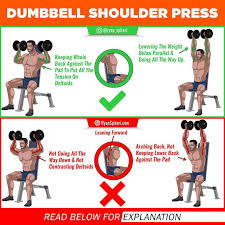
5. Dumbbell Overhead Press
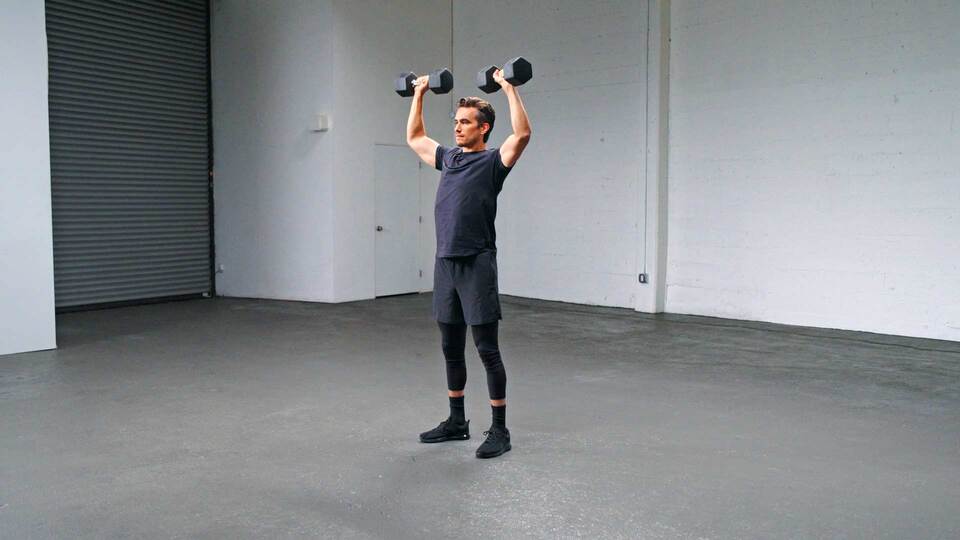
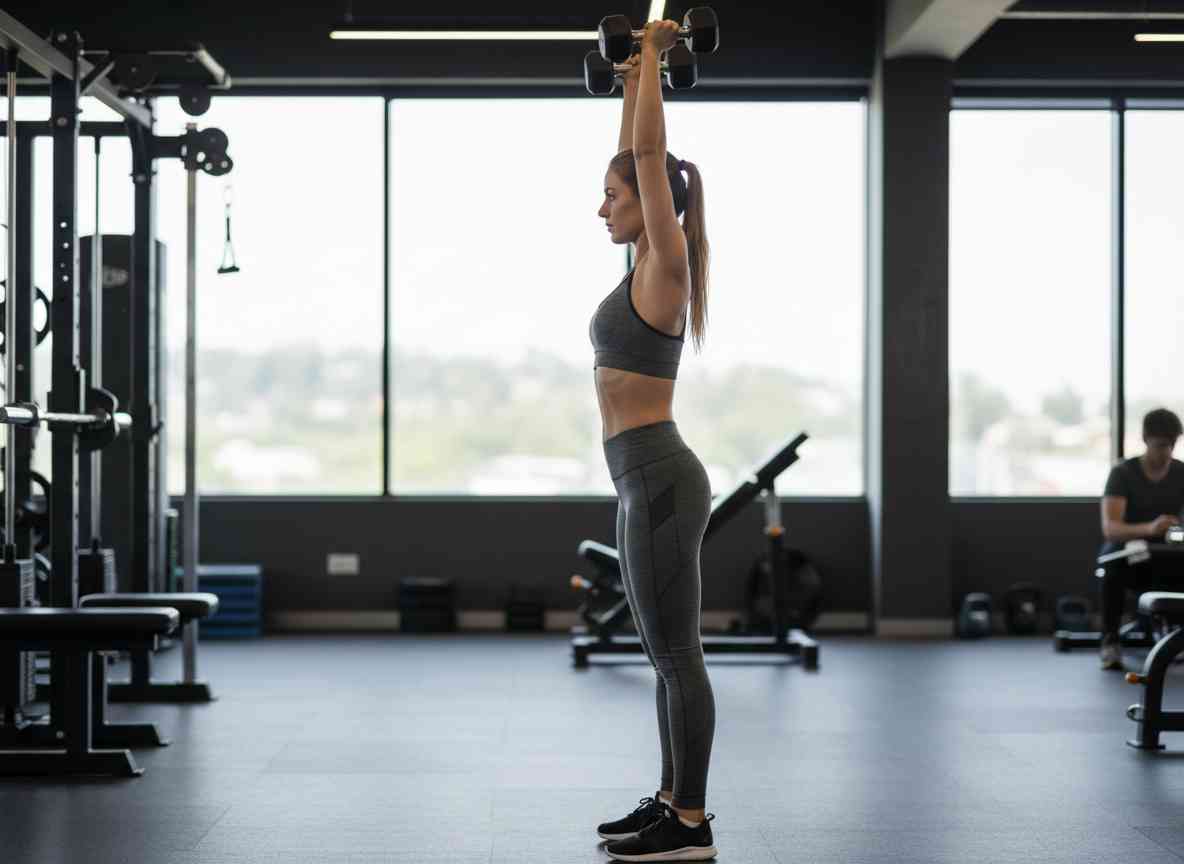
Muscles worked: Shoulders, triceps, upper chest, core
How to do it:
- Stand tall or sit upright with a dumbbell in each hand at shoulder height.
- Brace your core and glutes.
- Press the weights overhead until your arms are almost straight.
- Lower back to shoulder height under control.
Avoid: Leaning back excessively or shrugging your shoulders up toward your ears.
6. Dumbbell Glute Bridge
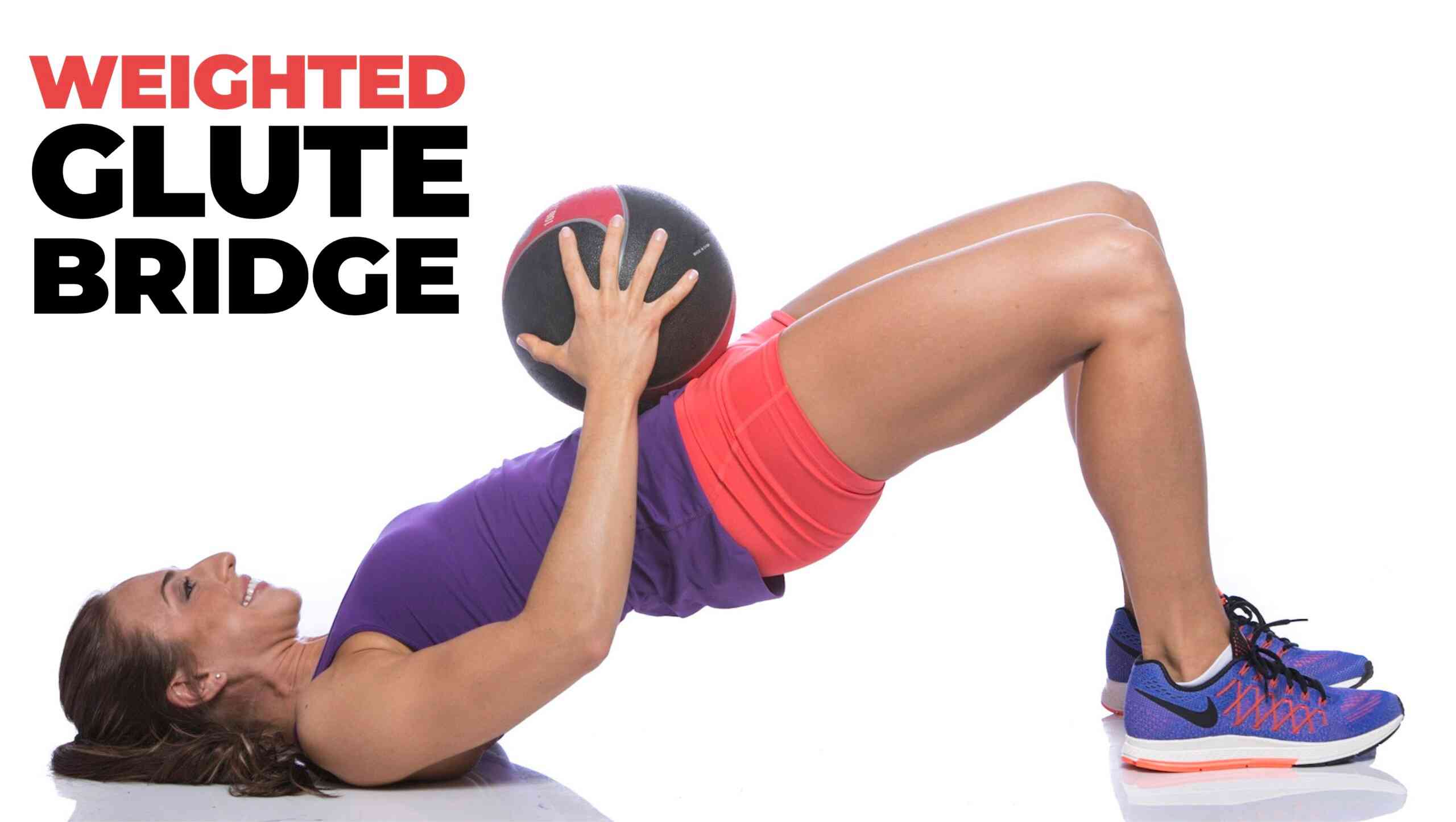
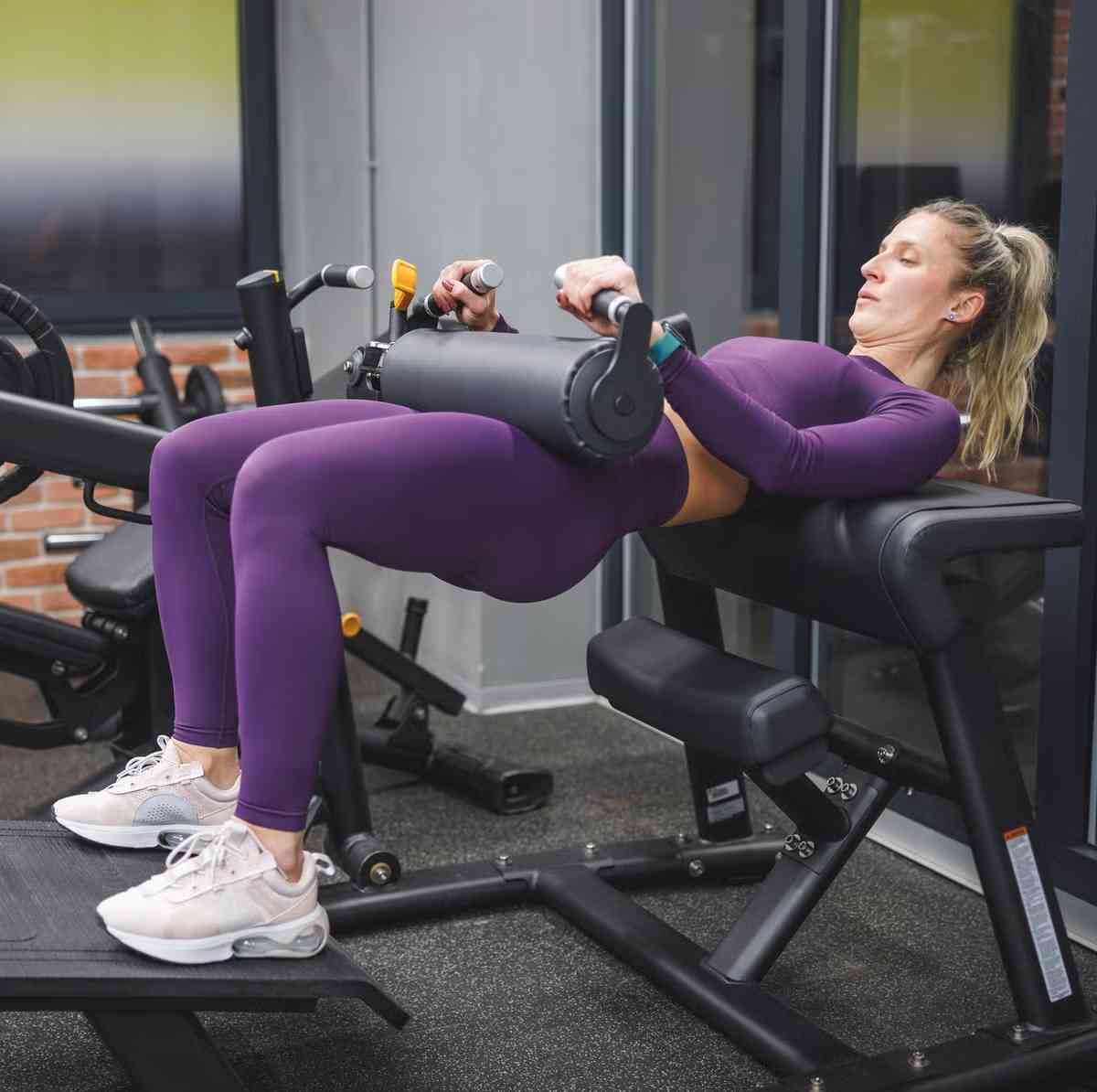
Muscles worked: Glutes, hamstrings, lower back
How to do it:
- Lie on your back with knees bent and feet flat, hip-width apart.
- Place a dumbbell across your hips and hold it in place.
- Press through your heels to lift your hips until your body forms a straight line from shoulders to knees.
- Squeeze your glutes at the top, then lower slowly.
Avoid: Overarching your lower back or letting your knees fall inward.
7. Dumbbell Lateral Raise
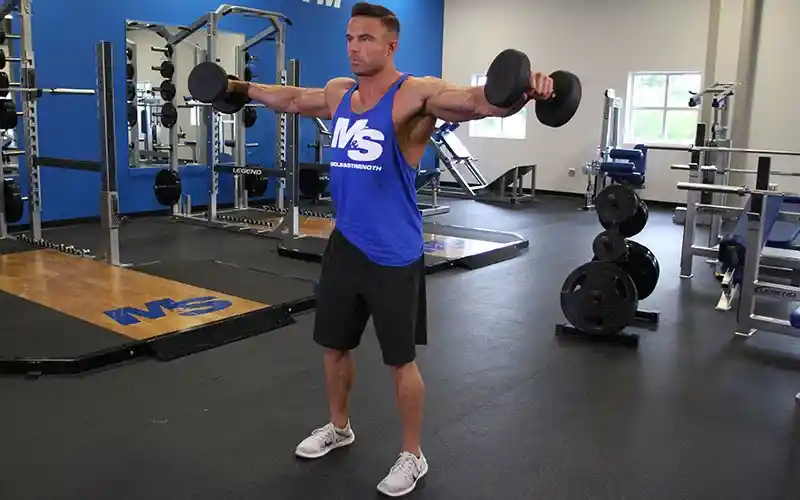
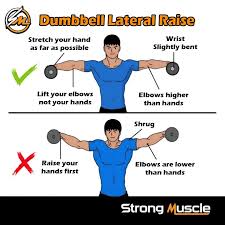
Muscles worked: Side (lateral) shoulders
How to do it:
- Stand tall with dumbbells by your sides, palms facing in.
- Keep a slight bend in your elbows.
- Raise your arms out to the sides until the weights reach shoulder height.
- Pause briefly, then lower under control.
Avoid: Swinging the weights or lifting higher than shoulder level.
8. Dumbbell Farmer’s Walk
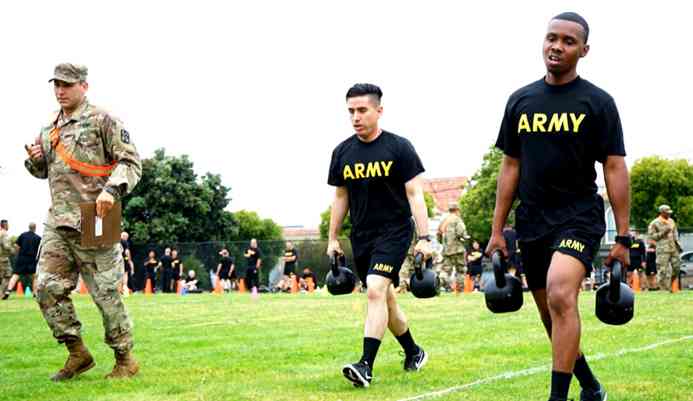
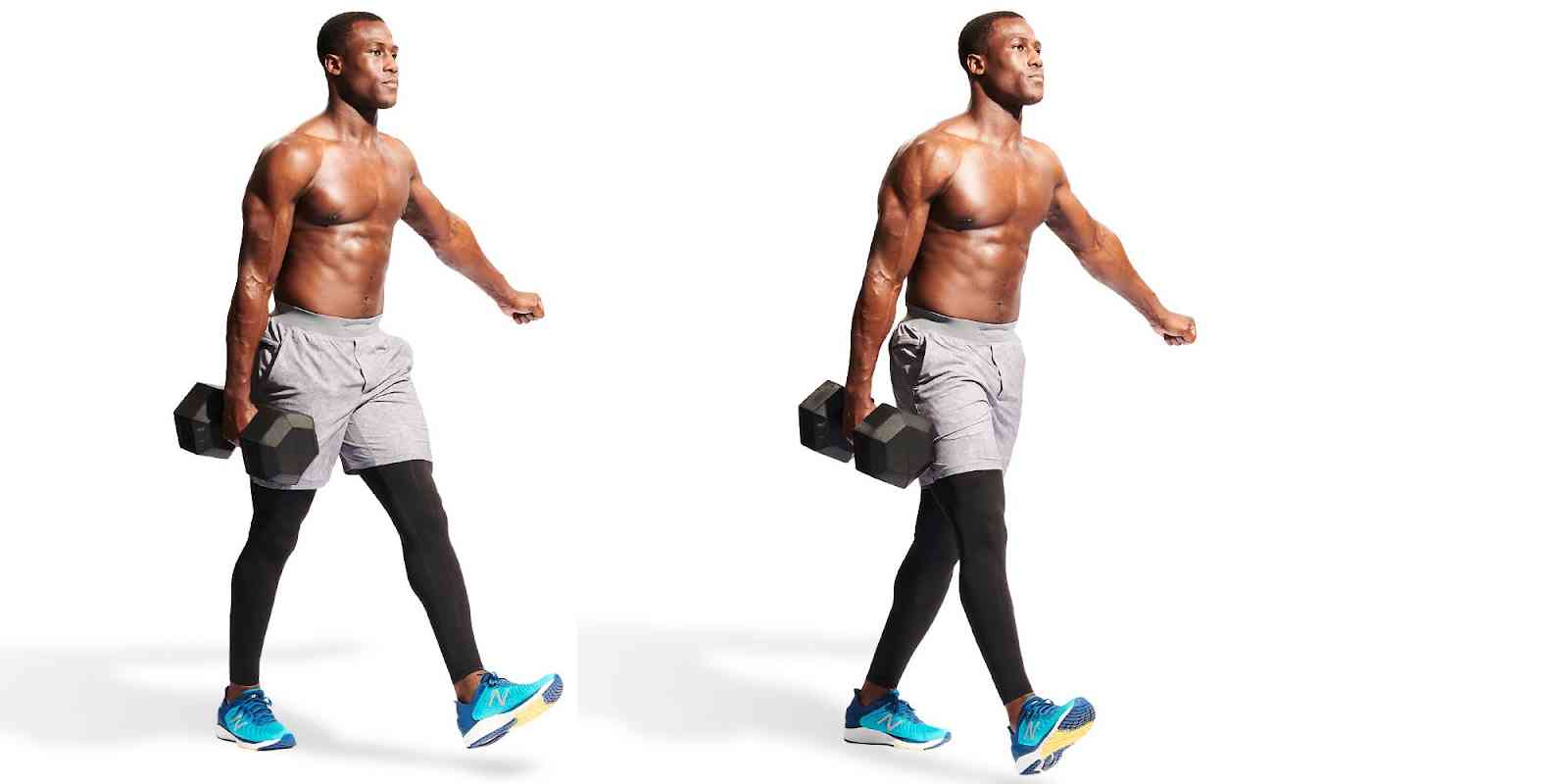
Muscles worked: Grip, forearms, traps, core, legs
How to do it:
- Hold a dumbbell in each hand by your sides.
- Stand tall with shoulders back and chest open.
- Walk slowly for 20–30 seconds, keeping your core braced and steps controlled.
Tip: This simple move is excellent for posture and real-life strength (carrying bags, groceries, etc.).
Sample Beginner Full-Body Dumbbell Workout
Workout Plan
- Goblet Squat – 3 sets of 10–12 reps
- Dumbbell Romanian Deadlift – 3 sets of 10–12 reps
- Dumbbell Floor Press – 3 sets of 10–12 reps
- One-Arm Dumbbell Row – 3 sets of 10–12 reps each side
- Dumbbell Glute Bridge – 3 sets of 12–15 reps
- Farmer’s Walk – 3 rounds of 20–30 seconds
Rest 60–90 seconds between sets. Focus on smooth reps and keeping every movement under control rather than rushing.
4-Week Strength Progression Plan
Week 1 – Learn the Movements
- Use lighter weights and focus on perfect form.
- Stay in the middle of the rep range (around 10 reps).
- Stop each set with 2–3 reps still “in the tank.”
Week 2 – Build Consistency
- Keep the same weights but try to add 1–2 reps to some sets.
- Alternatively, add an extra set to 1–2 exercises.
- Aim to complete all three weekly workouts without skipping.
Week 3 – Increase the Challenge
- If you can easily do the top end of the rep range, increase your dumbbell weight slightly.
- Slow the lowering phase to about 3 seconds per rep.
- For Farmer’s Walks, add 5–10 seconds per round if it feels easy.
Week 4 – Consolidate Your Gains
- Stay with your current weights and focus on matching or beating last week’s numbers.
- Keep a simple workout log (weights, sets, reps) to see progress.
- Pay attention to how everyday tasks feel easier — that’s real strength.
Recovery, Rest, and Lifestyle Tips

- Sleep: Aim for 7–8 hours of sleep to support muscle recovery.
- Hydration: Drink water regularly throughout the day, not just during workouts.
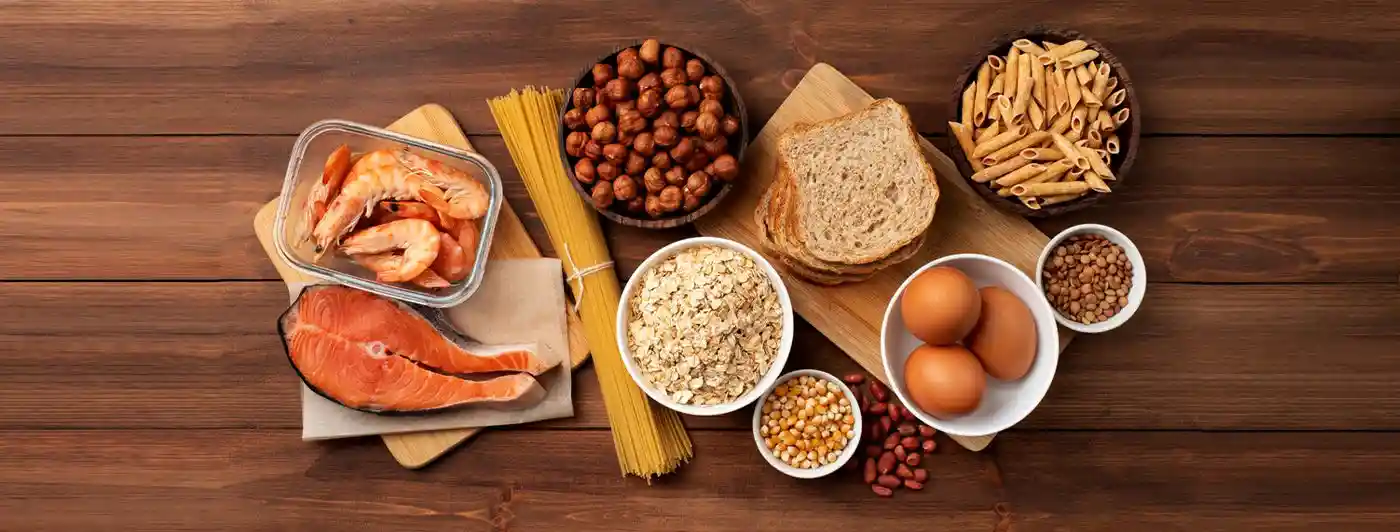
- Protein: Include protein in each meal (eggs, lentils, paneer, chicken, fish, tofu, etc.).
- Listen to your body: Mild muscle soreness is normal; sharp or joint pain is a warning sign.
Final Thoughts
Simple dumbbell exercises, done consistently, can transform your strength in just a few weeks — even if you’re training in a small bedroom or living room. You don’t need complicated machines or long workouts. A focused selection of squats, hinges, presses, pulls, and carries is more than enough to build a strong, capable body.
Start light, move well, and progress slowly. Every time you pick up groceries, climb stairs, or move furniture and think, “That felt easier than before,” you’ll know your home dumbbell training is working.