How to Improve Your Running Stamina in 4 Weeks
A structured, beginner-friendly plan to increase endurance safely.

If you’ve ever started running, felt out of breath in just a few minutes, and wondered, “How do people run for 30 minutes or more?” — you’re not alone. Building running stamina is a process, not a talent you’re born with. With the right structure, even a complete beginner can dramatically improve endurance in just four weeks.
This guide gives you a simple, safe 4-week plan that gradually pushes your limits without overwhelming your body. You’ll learn how often to run, how fast to go, how to breathe, and what to eat and do between runs so that your stamina improves week by week.
🏃♀️ Before You Start: Check Your Basics
1. Get the Right Mindset
The biggest mistake beginners make is trying to run too fast, too soon. Stamina comes from consistency, not from one heroic, painful run.
Think of these four weeks as practice for your lungs, legs, and brain. You’re teaching your body to stay relaxed while moving for longer, not chasing speed records.
2. Choose Your Surfaces & Shoes



Choose a environment that makes running feel safe and simple:
- Pick a safe place: park track, quiet road, or treadmill.
- Wear comfortable, supportive running shoes (not old, flat sneakers).
- Start with short sessions to see how your knees, ankles, and back feel.
🔥 The Structure of Your 4-Week Stamina Plan
This plan uses run–walk intervals at first, then gradually increases continuous running time.
- Frequency: 3 running days per week (e.g., Monday, Wednesday, Saturday).
- Intensity: Easy to moderate. You should be able to talk in short sentences.
- Rule: You can always slow down to a walk. Don’t stop moving unless you feel pain, dizziness, or extreme discomfort.
We’ll also add:
- 1–2 days of light strength training
- Daily mobility and stretching
- Simple breathing & pacing tips
WEEK 1 – Build the Habit, Train the Lungs (Run–Walk)
Goal: Get your body used to moving regularly without worrying about distance or speed.
Warm-up (before every run)
Spend 5–10 minutes on:
- Brisk walking
- Leg swings (front & side)
- Gentle hip circles
- Ankle rolls

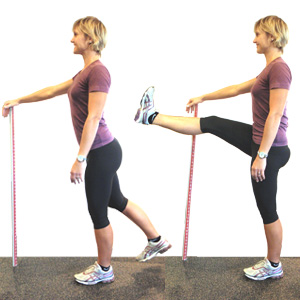

This raises your heart rate and reduces stiffness, making your runs feel smoother and safer.
Week 1 Plan
Day 1 (Session 1)
- 5 min brisk walk (warm-up)
- 1 min easy jog + 2 min walk — repeat 6 times (18 min)
- 5 min slow walk (cool down)
- Total: ~28 minutes
Day 2 (Session 2)
- 5 min warm-up walk
- 1 min jog + 2 min walk — repeat 7 times (21 min)
- 5 min cool-down walk
- Total: ~31 minutes
Day 3 (Session 3)
- 5 min warm-up walk
- 90 seconds jog + 2 min walk — repeat 6 times (~21 min)
- 5 min cool-down walk
- Total: ~31 minutes
How You Should Feel in Week 1
- Heart beating faster but not exploding
- Slightly out of breath while jogging, but you recover during the walk
- Legs may feel heavy after sessions — completely normal for beginners
Priority: Complete all three sessions. Don’t chase pace or distance yet.
WEEK 2 – Extend Your Running Intervals
Goal: Spend more time jogging, but still use walking for recovery.



Week 2 Plan
Day 1
- 5 min warm-up walk
- 2 min jog + 2 min walk — repeat 6 times (24 min)
- 5 min cool-down walk
Day 2
- 5 min warm-up
- 3 min jog + 2 min walk — repeat 5 times (25 min)
- 5 min cool-down
Day 3
- 5 min warm-up
- 4 min jog + 2 min walk — repeat 4 times (24 min)
- 5 min cool-down
By the end of Week 2, you’ll be spending more total time running than walking in each session.
Breathing & Pacing Tips
- Breathe through both nose and mouth when needed — don’t force nose-only breathing.
- Try a light rhythm like “inhale for 3 steps, exhale for 3 steps”.
- If you cannot say a full sentence while jogging, slow down. You’re going too fast for stamina work.
WEEK 3 – Shift Towards Continuous Running
Goal: Reduce walk breaks and start feeling what it’s like to run longer without stopping.
Week 3 Plan
Day 1
- 5 min warm-up
- 5 min jog + 2 min walk — repeat 3 times (21 min)
- 5 min cool-down
Day 2
- 5 min warm-up
- 8 min jog + 2 min walk — repeat 2 times (20 min)
- 5 min cool-down
Day 3
- 5 min warm-up
- 10 min jog + 2 min walk + 5 min jog (17 min running, 2 min walking)
- 5 min cool-down
By now, your heart and lungs should adapt enough that 5–10 minutes of easy jogging feels challenging but doable.


Mental Tricks for Week 3
- Break the run into landmarks: “to the next tree,” “to the corner,” then walk.
- Use music or a podcast (if you can still hear traffic & stay safe).
- Celebrate small wins: “Last week I was running 2 minutes. Today I did 10!”
WEEK 4 – Build a Solid Stamina Base
Goal: Run close to 20–25 minutes continuously at an easy pace.
Week 4 Plan
Day 1
- 5 min warm-up
- 12 min jog + 2 min walk + 8 min jog (20 min total running)
- 5 min cool-down
Day 2
- 5 min warm-up
- 15 min continuous jog
- 3 min walk
- 5 min jog
- 5 min cool-down
Day 3
- 5 min warm-up
- 20–25 min continuous jog at a comfortable pace
- 5–10 min cool-down walk
If 20–25 minutes nonstop feels too much, you can do 10 min jog + 1–2 min walk + 10 min jog. Progress is progress.
💪 Add Light Strength Training (2 Days/Week)
Stronger muscles = better running form = better stamina and fewer injuries.
Twice a week (on non-running days), do 15–20 minutes of:
- Bodyweight squats – 2–3 sets of 10–15
- Glute bridges – 2–3 sets of 10–15
- Calf raises – 2 sets of 15–20
- Plank hold – 2–3 sets of 20–40 seconds
- Side plank (each side) – 2 sets of 15–30 seconds



You don’t need a gym. A mat and your body weight are enough.
🧘 Recovery, Stretching & Sleep
Your stamina improves between runs, when your body repairs itself.
After Each Run
- Walk for 5–10 minutes to let your heart rate drop.
- Do gentle stretches for:
- Calves
- Quads (front of thighs)
- Hamstrings (back of thighs)
- Glutes
Hold each stretch for 20–30 seconds, no bouncing.
.avif)
.jpg)
Sleep & Rest
- Try for 7–9 hours of sleep per night.
- If you feel unusually exhausted, swap a run day with an easy walk instead of forcing the session.
🥗 Simple Fueling Tips for Better Endurance
You don’t need a fancy diet, but a few basics matter:
- Carbs (rice, roti, oats, fruits) give you energy to run.
- Protein (eggs, lentils, paneer, yogurt, chicken, tofu) helps your muscles recover.
- Fats (nuts, seeds, avocado, healthy oils) keep hormones and joints happy.
Before a Run
30–90 minutes before running, eat something light like:
- A banana
- Toast with peanut butter
- A small bowl of oats
After a Run
Within an hour, combine carbs + protein, for example:
- Yogurt with fruit
- Dal + rice
- Egg sandwich
- Smoothie with milk/curd and banana
And of course: drink water before and after your run.



You can also prep simple, runner-friendly breakfasts like overnight oats or fruit-and-oat bowls that are fast and easy after a morning run.
🧠 Common Mistakes to Avoid
-
Running too fast
You should feel like you could hold a simple conversation. If you’re gasping and can’t say more than a word or two… slow down. -
Skipping warm-ups and cool-downs
Cold muscles + sudden effort = higher risk of injury. Those extra 5–10 minutes of prep are worth it. -
Being all-or-nothing
Missing one run doesn’t “ruin” the plan. Just continue with the next session. -
Ignoring pain
Normal: muscle soreness or heaviness.
Not normal: sharp joint pain, chest pain, dizziness, or severe shortness of breath — in that case, stop and seek medical advice.
🎯 What You Can Expect After 4 Weeks
If you follow this plan with a sensible pace and proper rest, by the end of four weeks you should:
- Be able to jog 15–25 minutes continuously at an easy speed
- Feel less out of breath during daily activities
- Have stronger legs and better confidence as a runner
- Be ready to start a 5K training plan if you’d like to go further
Most importantly, you’ll have built a habit. Stamina grows with months and years of consistent, mostly easy running — this 4-week block is your launchpad.
✅ Final Thoughts
Improving your running stamina isn’t magic — it’s repetition, patience, and smart progression. Over these 4 weeks, you gradually ask a little more from your heart, lungs, and legs, while giving them enough recovery to adapt.
Stay humble with your pace, celebrate small improvements, and remember: you’re a runner the moment you decide to keep showing up, no matter how slow you start.