High-Protein Foods You Should Add to Your Diet
Boost muscle growth and metabolism with these easy, affordable protein sources.
Protein is one of the most important nutrients for our bodies. It helps build and repair tissues, supports immune function, and plays a critical role in hormone and enzyme production. For those looking to build muscle, boost metabolism, or simply stay healthier, getting enough good-quality protein is key. The good news: you don’t need fancy supplements or expensive foods. Many everyday, affordable foods — some already in your kitchen — are packed with protein. Below is a guide to high-protein foods for a balanced, muscle-friendly diet, with tips for including them daily.
🍳 Why Protein Matters: More Than Just Muscles
Protein does far more than “just” building muscle. Here are some of the key roles it plays in your daily health:
- Muscle growth & repair: Protein supplies essential amino acids — the building blocks your body uses to repair and build muscle tissue, especially after exercise.
- Metabolism support: Digesting protein burns more energy than digesting fats or carbs. A protein-rich diet can help slightly raise your resting metabolic rate — useful if you want to manage your weight or burn fat.
- Overall health: Protein supports bone health, immune function, hormone balance, and even healthy hair, skin, and nails.
🥚 Top Animal-Based Protein Sources
Animal-based foods provide “complete” proteins — they contain all the essential amino acids that your body can’t make on its own. They’re usually very efficient for muscle building and recovery. Here are some of the most accessible and budget-friendly options.
Eggs
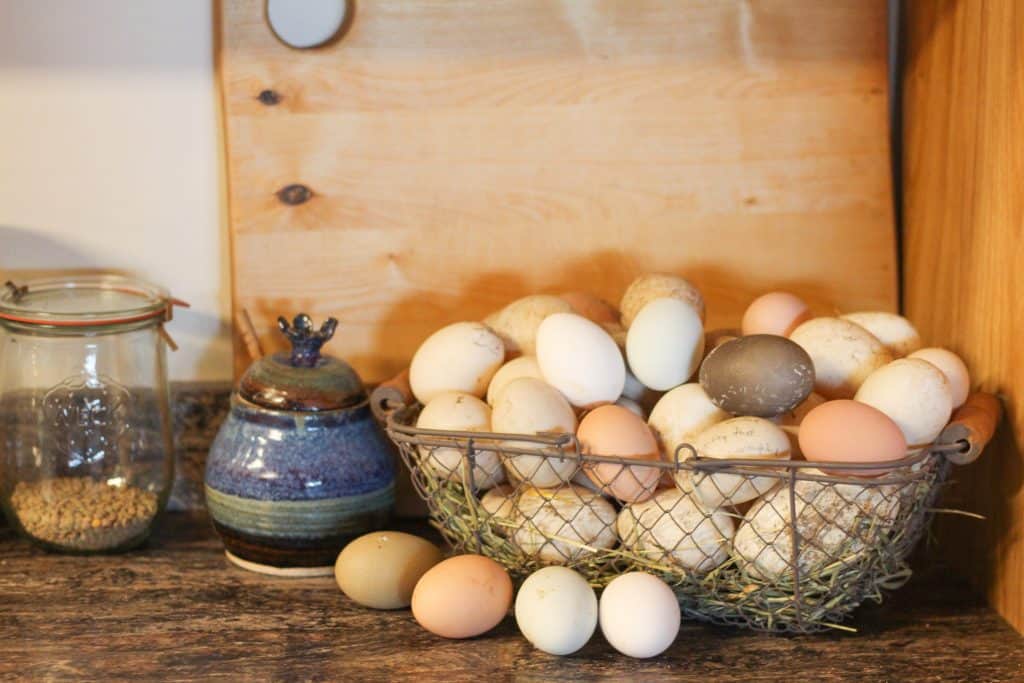
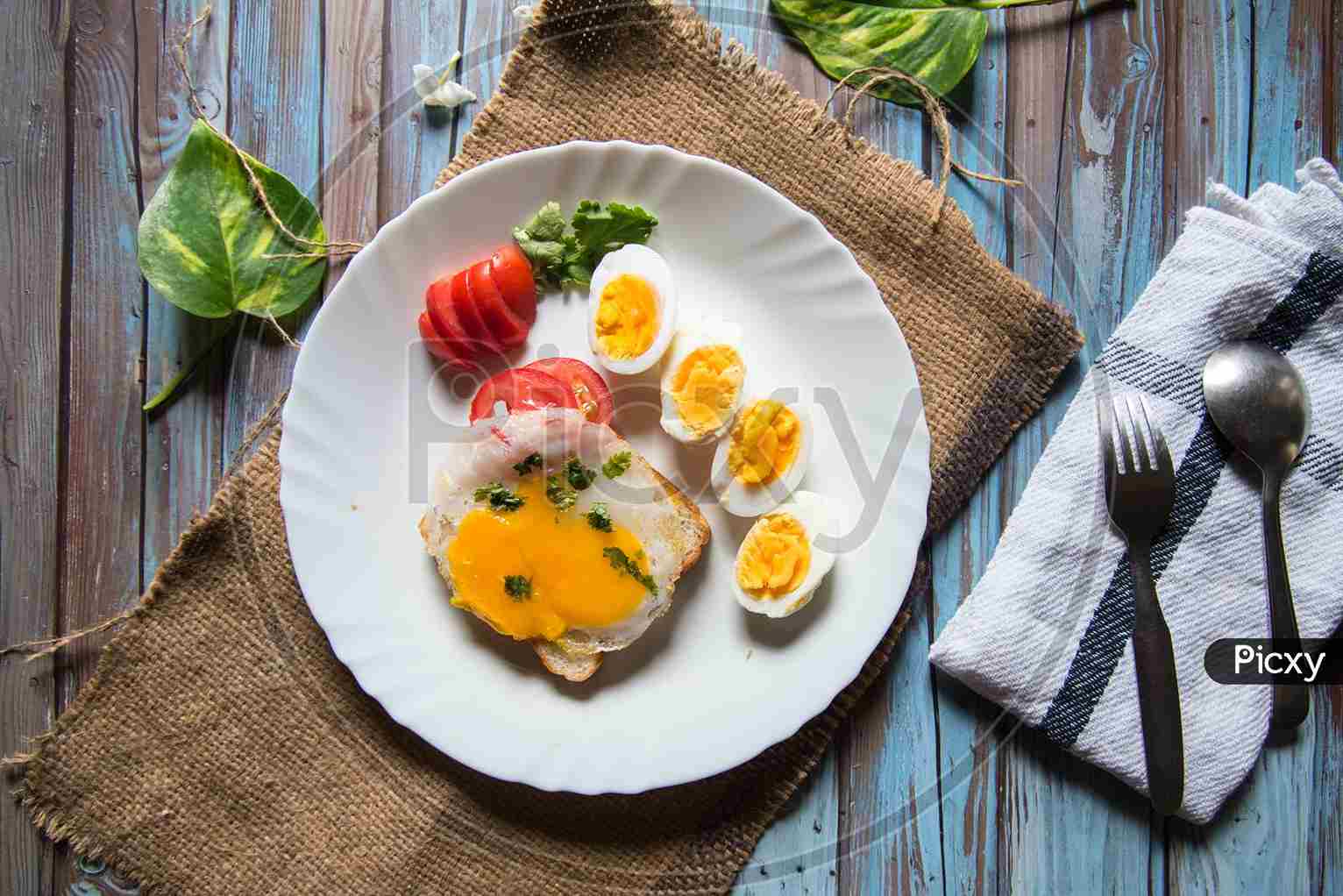
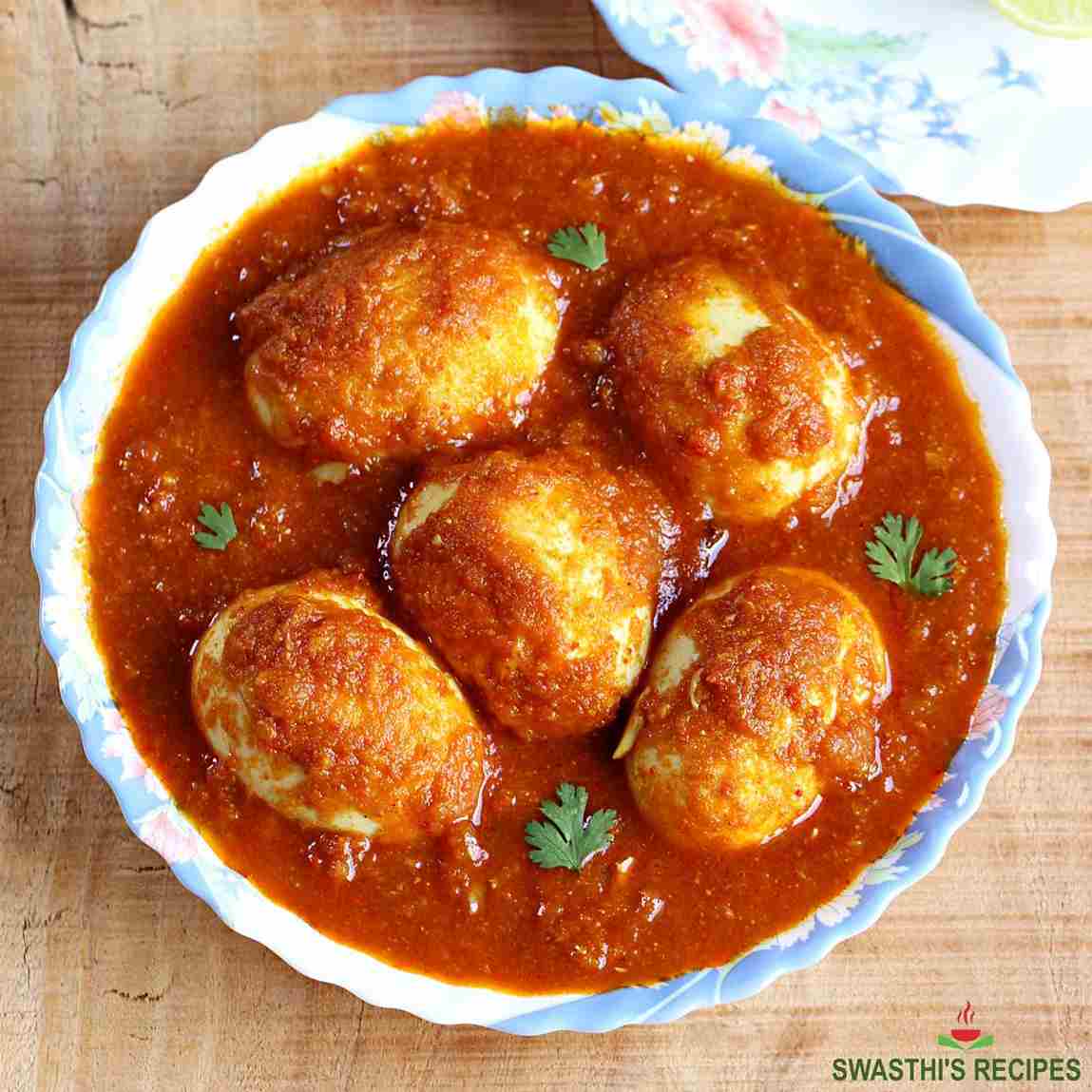
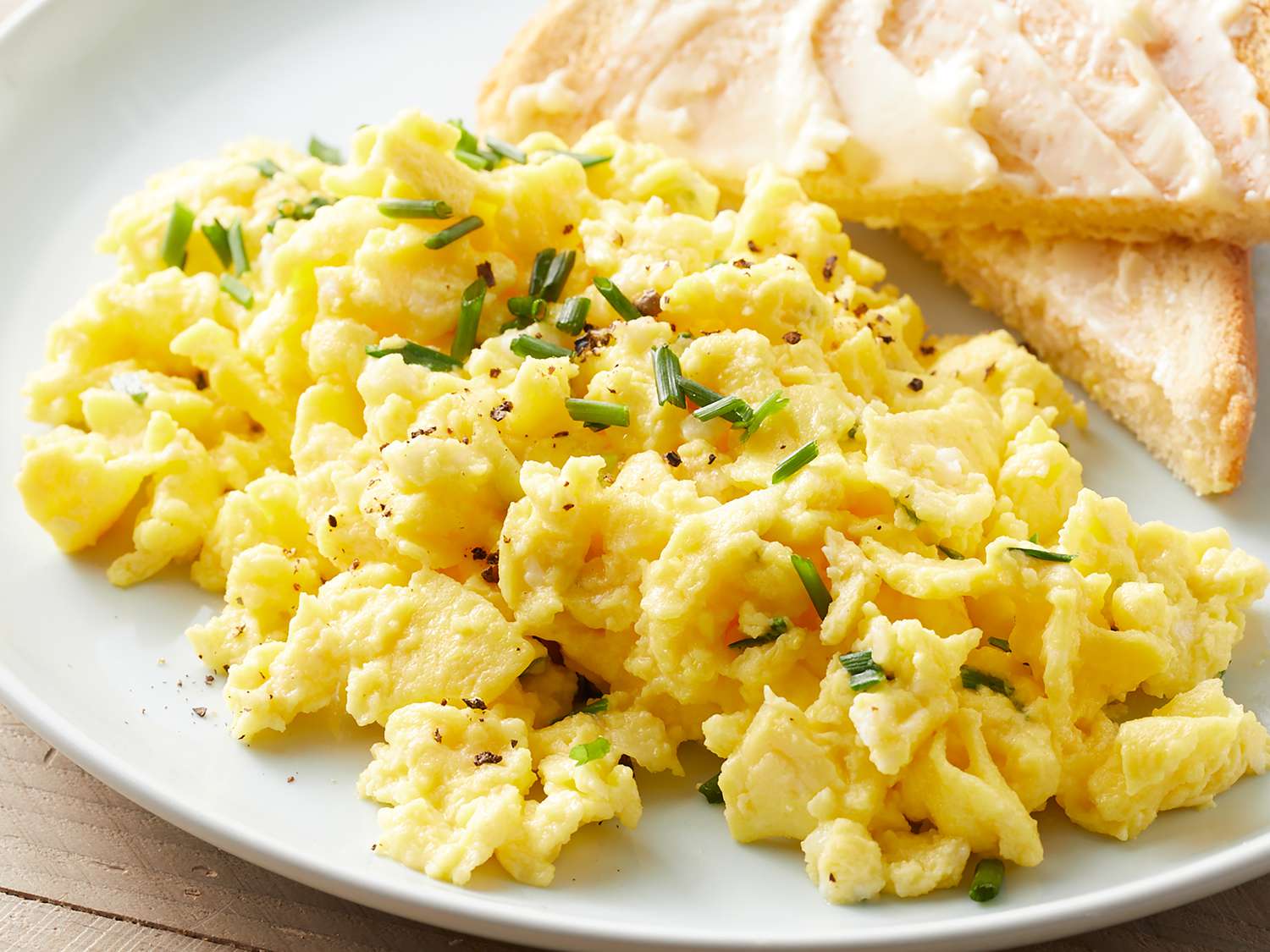
One large egg contains roughly 6 g of high-quality protein, along with healthy fats, vitamins, and minerals. Eggs are inexpensive, easy to cook, and incredibly versatile — you can boil them, scramble them, make omelettes, or add them to curries.
Because egg protein is “complete” and highly bioavailable, it’s ideal for supporting muscle repair and growth. A simple combination like 2–3 boiled eggs plus a piece of fruit makes a powerful breakfast or snack.
Chicken Breast & Lean Poultry
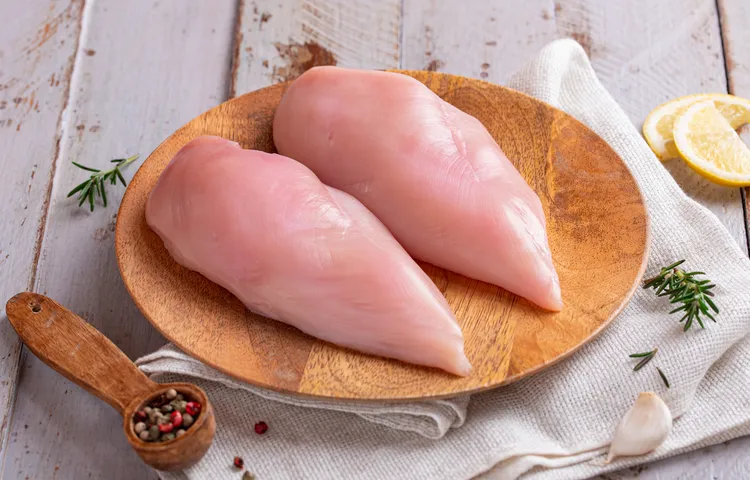
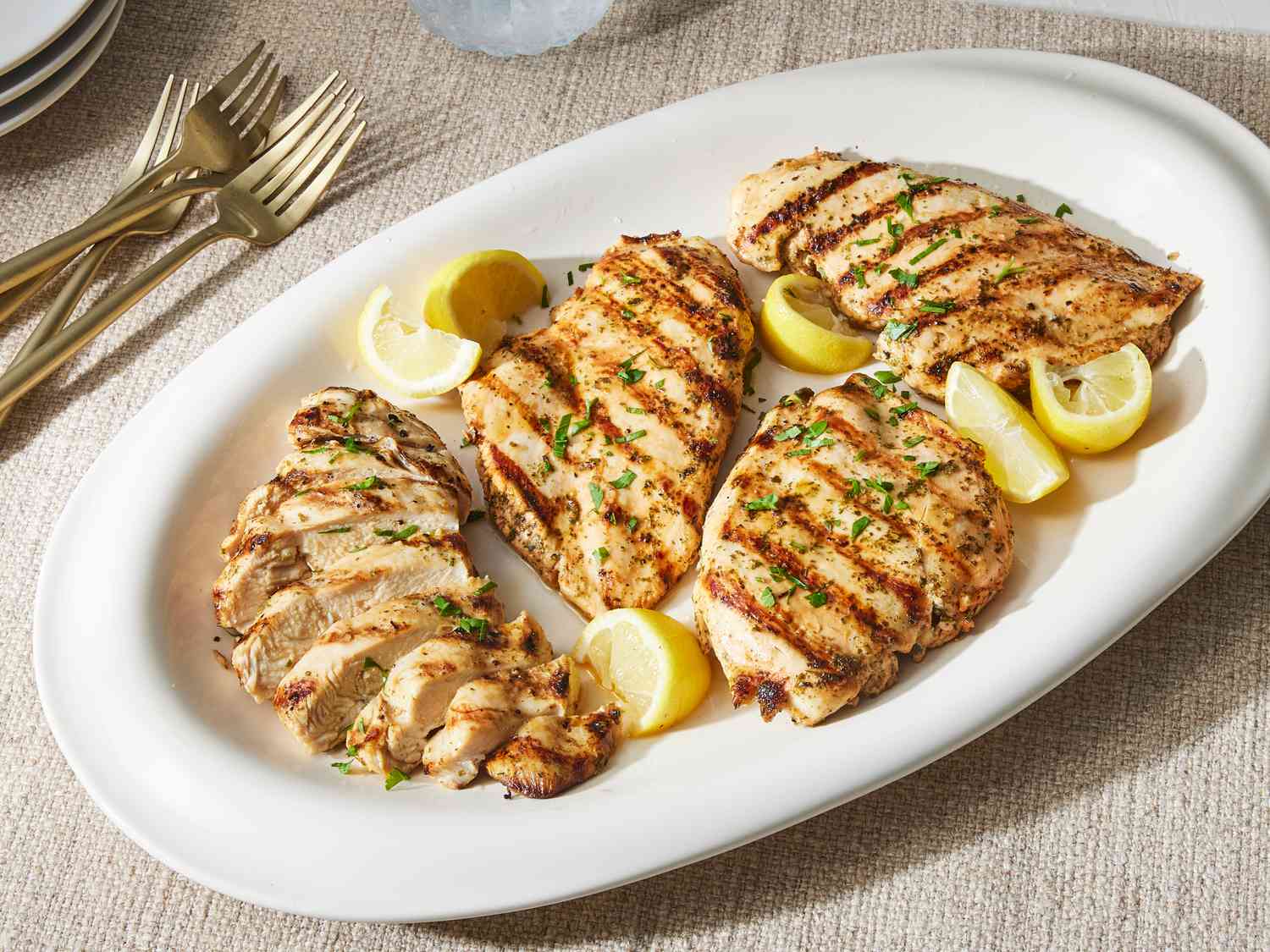
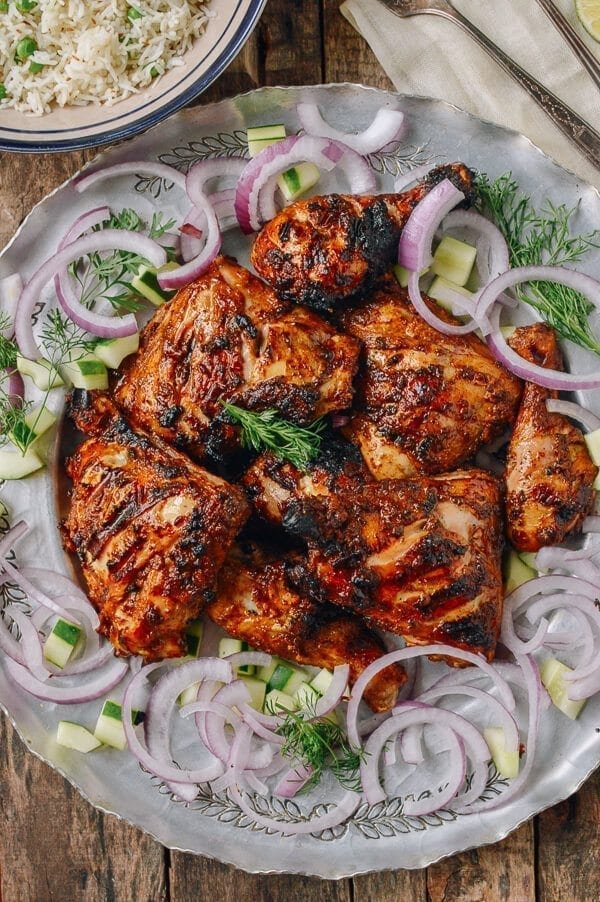
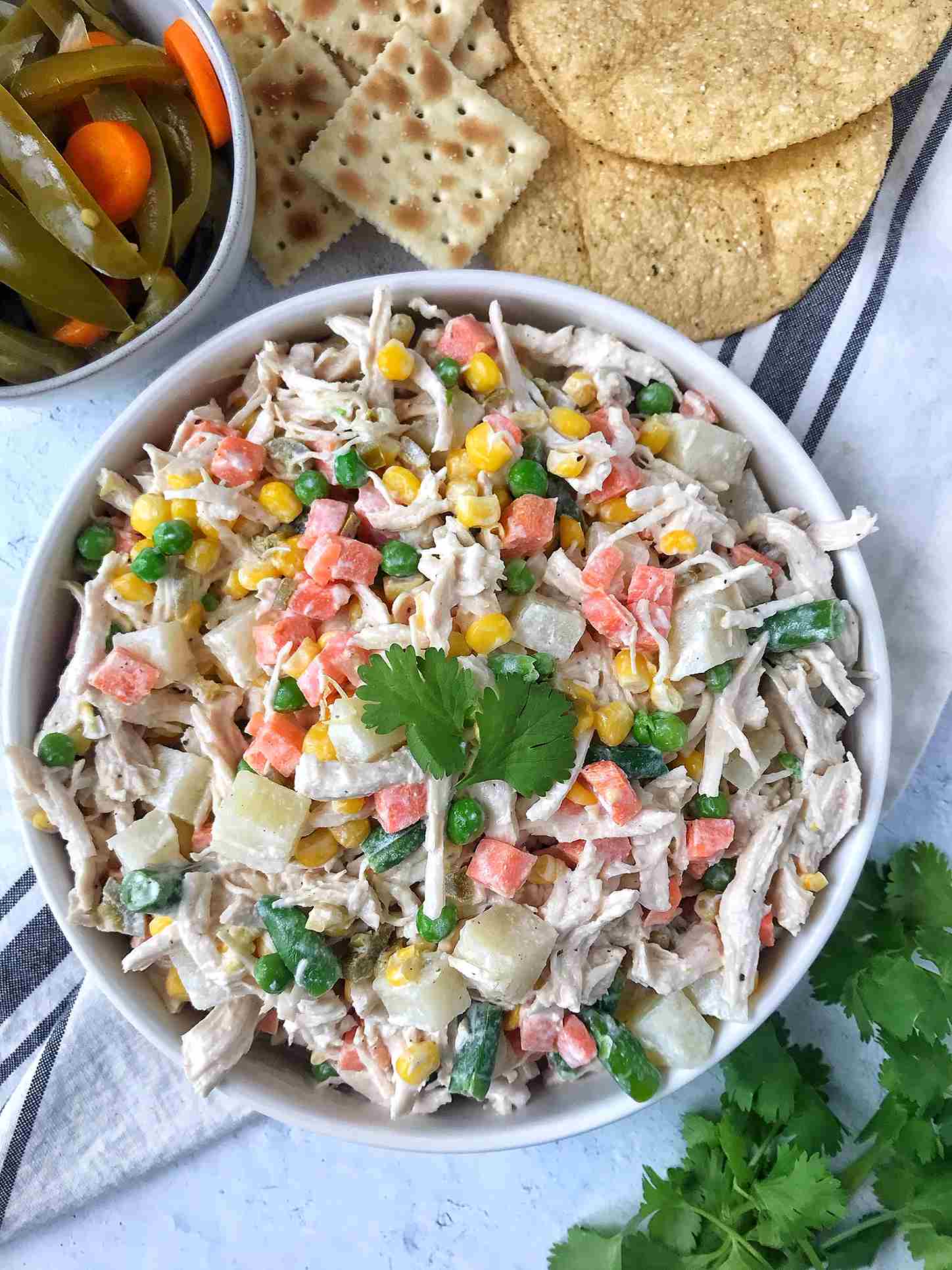
Skinless chicken breast is a classic high-protein food: a 100 g cooked portion can provide around 26–31 g of protein. It’s also relatively low in saturated fat compared to red meat, which makes it a smart choice if you care about both heart health and muscle gain.
Chicken works beautifully in many cuisines — grill it with basic spices, bake it with vegetables, or cook it in Indian-style gravies. Cook a batch once and you can use leftovers in wraps, salads, or sandwiches throughout the week.
Fish & Seafood (Salmon, Tuna, Mackerel & more)
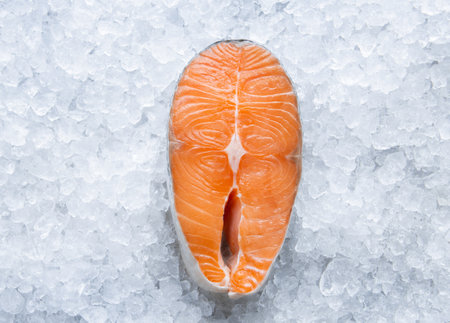
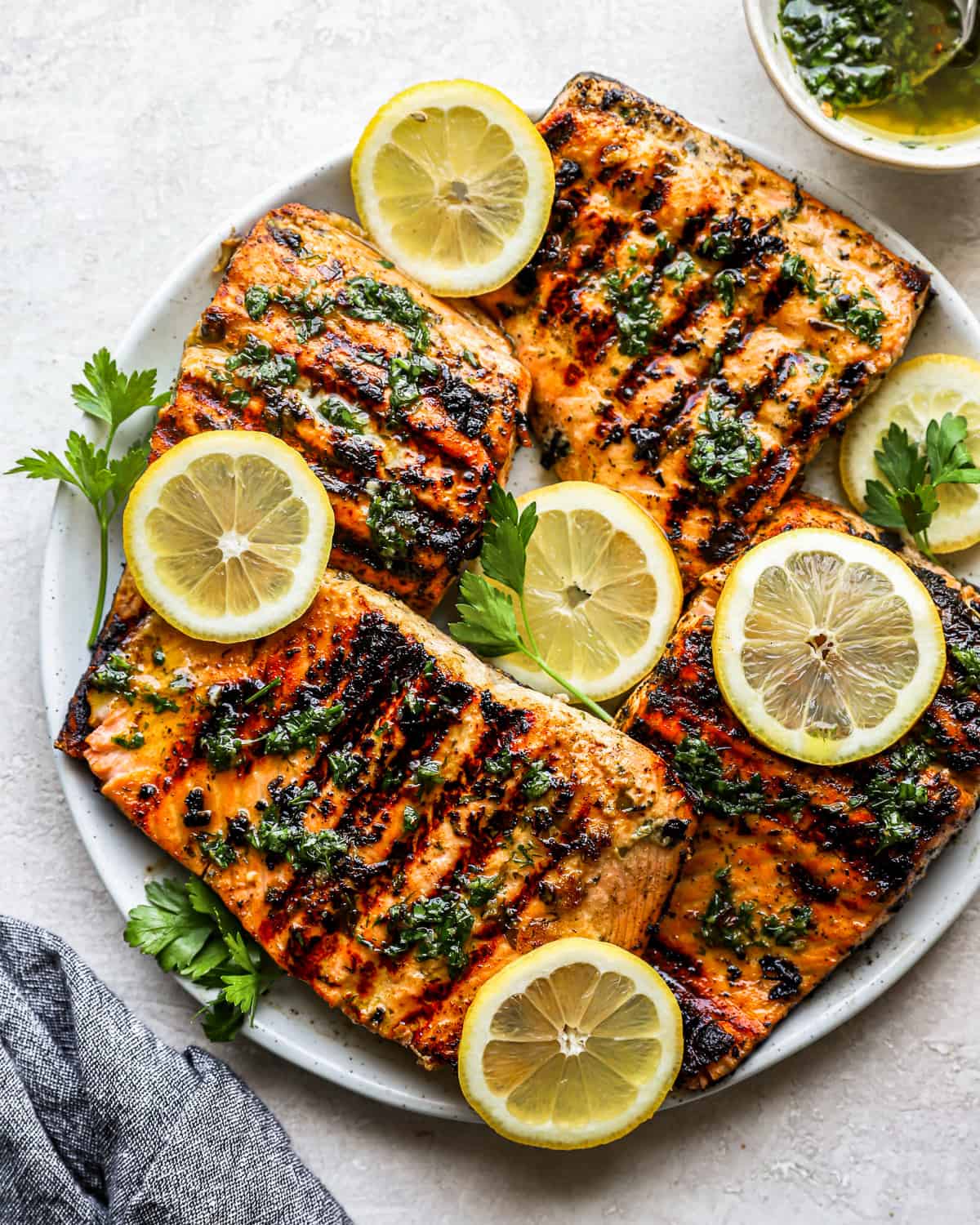
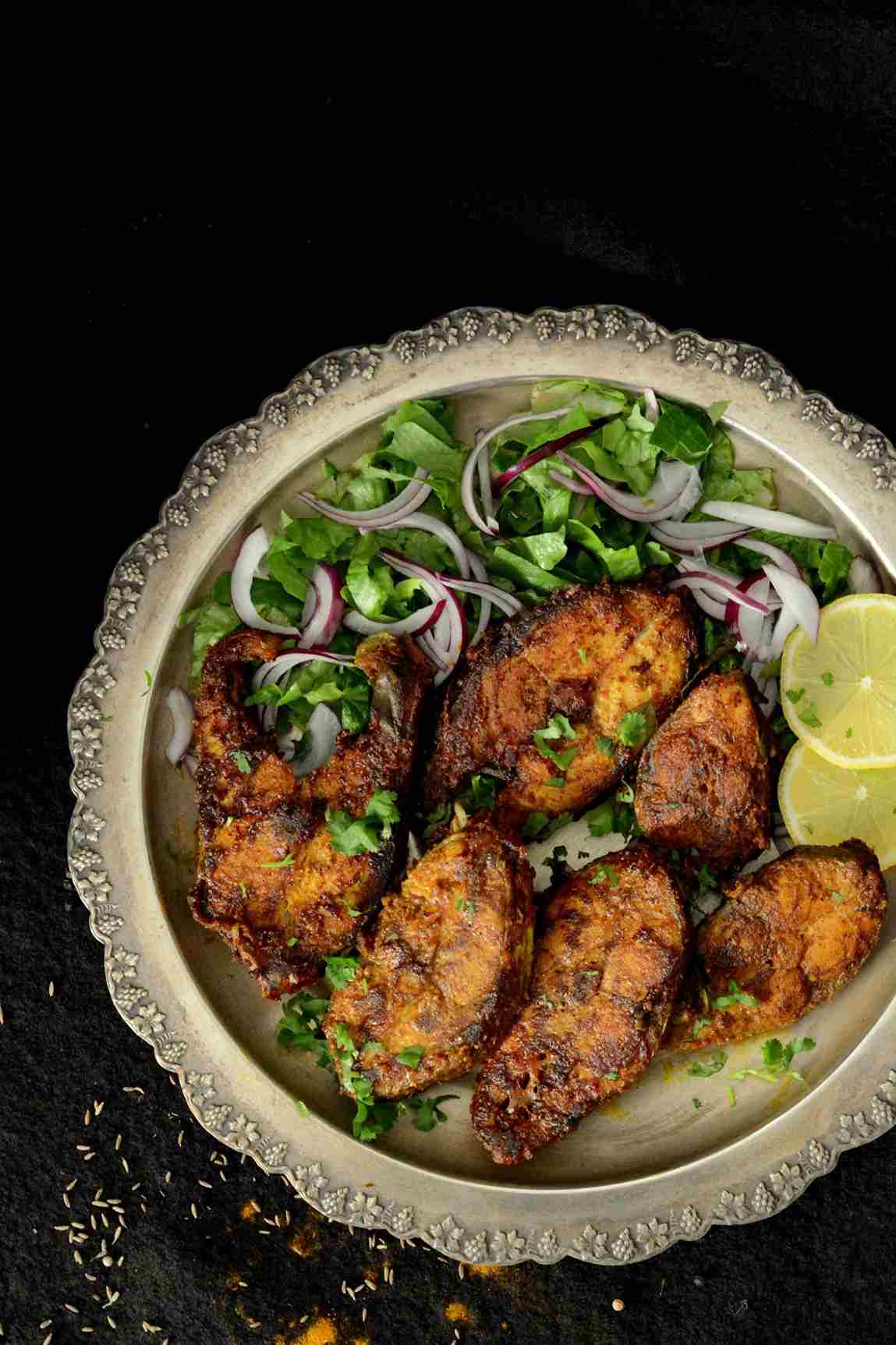
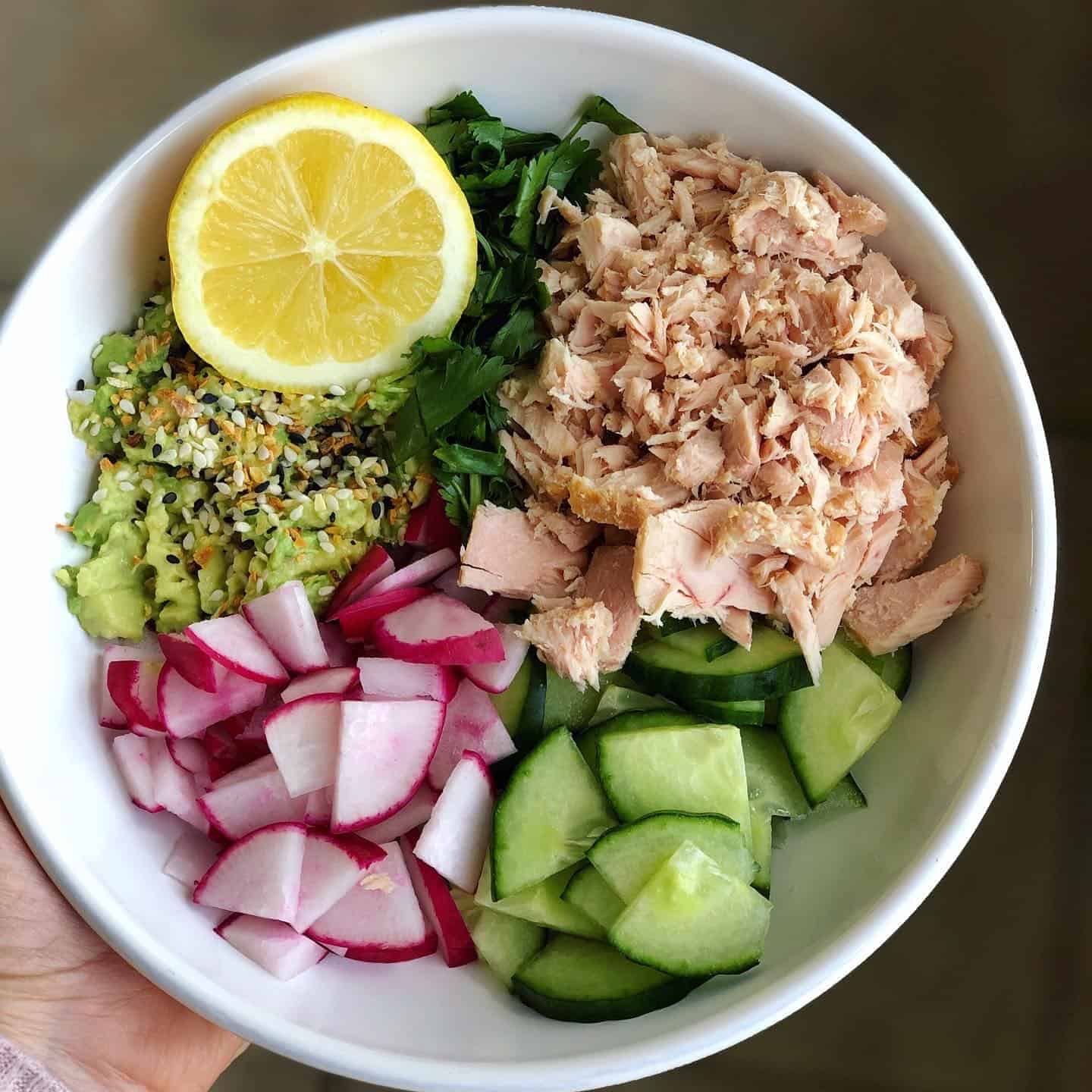
Many types of fish — such as salmon, tuna, and mackerel — are rich in protein, typically offering 20–25 g per 3-ounce cooked serving. Fatty fish also provide omega-3 fatty acids, which support heart and brain health.
Including fish 1–2 times per week is a great way to add variety to your protein intake while also reaping cardiovascular benefits. You can enjoy grilled fish with vegetables, fish curry with rice, or simple tuna salads.
Dairy: Milk, Yogurt, Cottage Cheese / Paneer
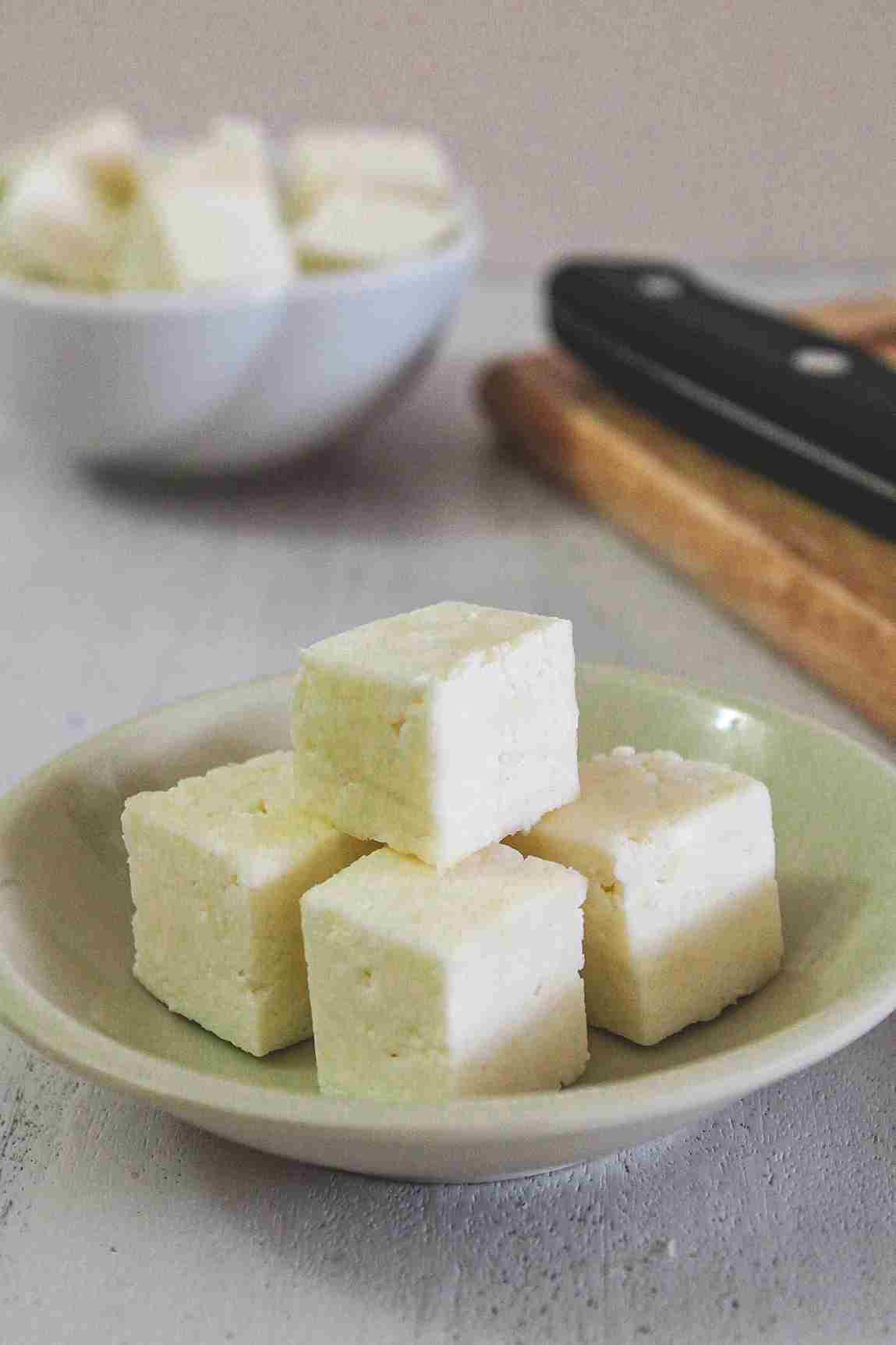
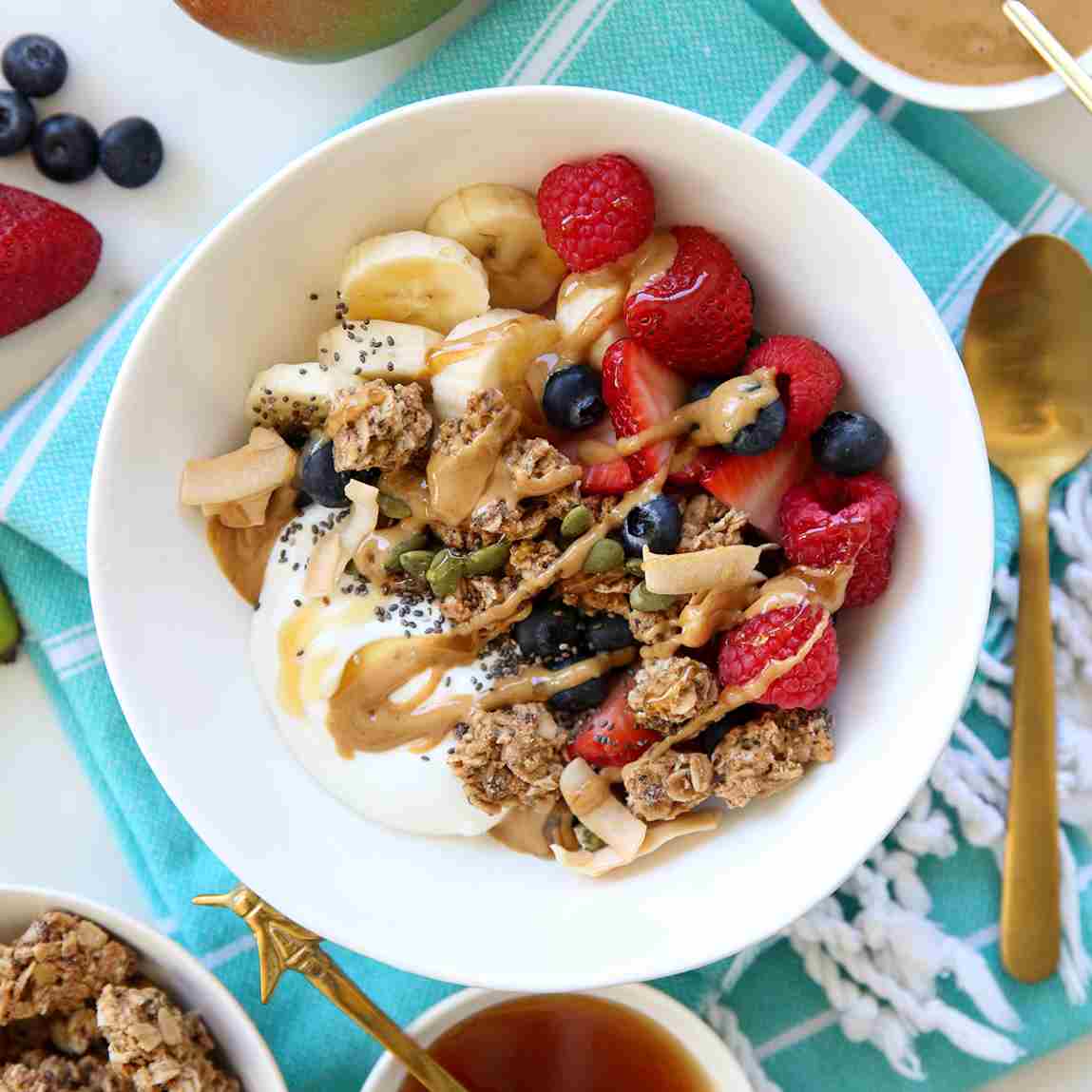
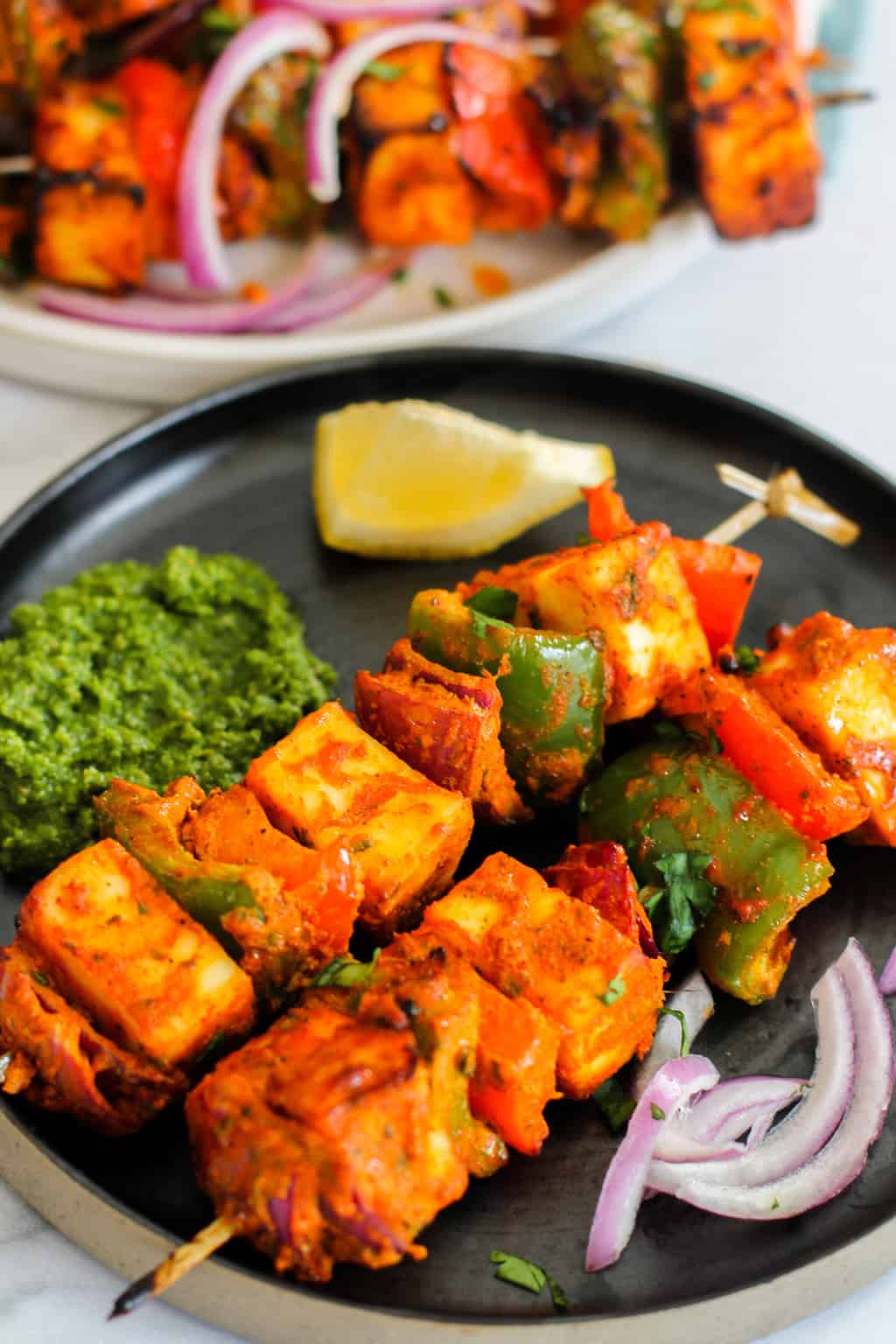
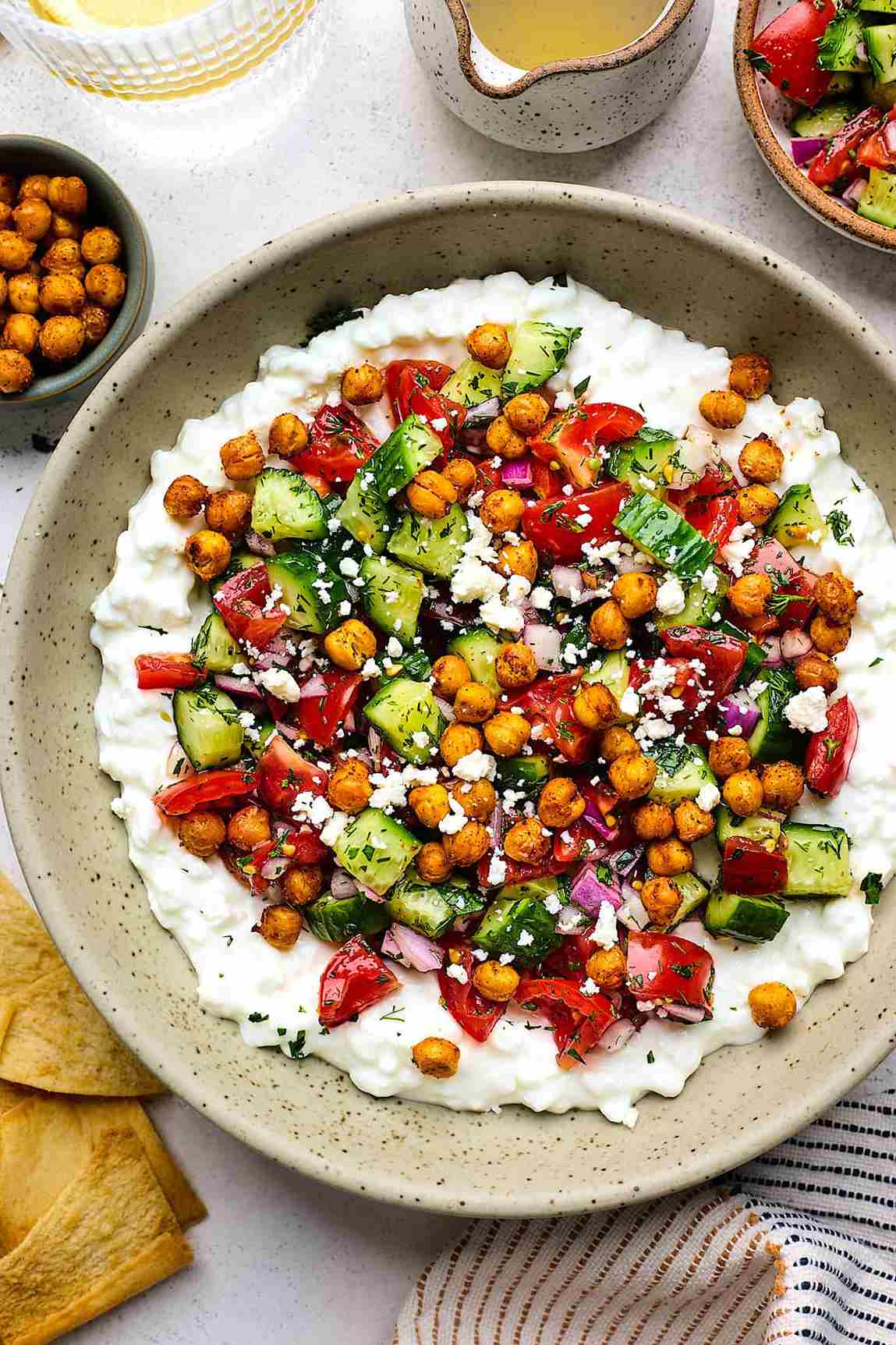
Dairy products — milk, yogurt (especially Greek yogurt), paneer, and cottage cheese — are convenient and nutrient-dense protein sources. A cup of cottage cheese, for example, can contain around 20–23 g of protein along with calcium and other minerals.
Dairy proteins like whey and casein are particularly helpful for muscle maintenance and recovery. A glass of milk before bed or a bowl of yogurt with nuts can support overnight repair while keeping you satisfied.
🌱 Plant-Based & Vegetarian Protein Picks (Affordable and Effective)
You don’t need to eat meat to meet your protein needs. Plenty of plant-based foods offer impressive protein content, especially when combined wisely. Here are some of the most effective and budget-friendly vegetarian options.
Lentils (Dal), Beans & Pulses
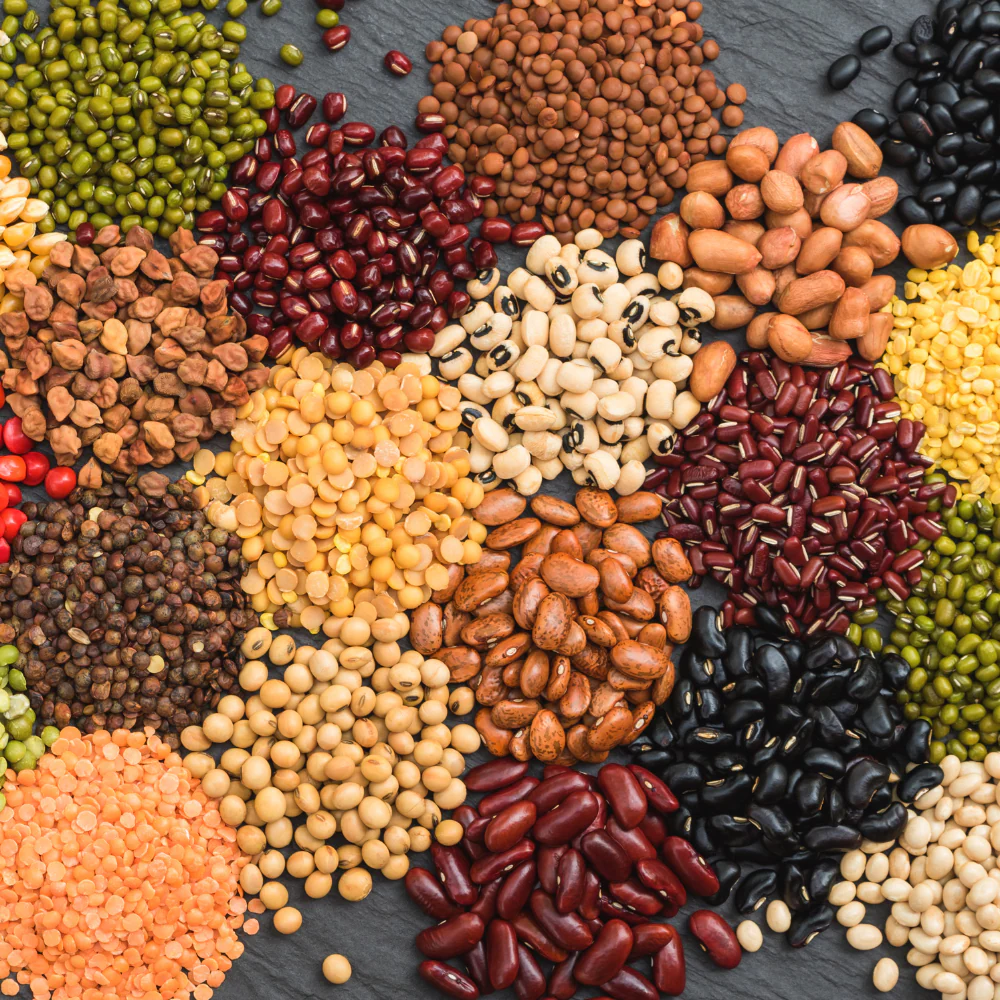
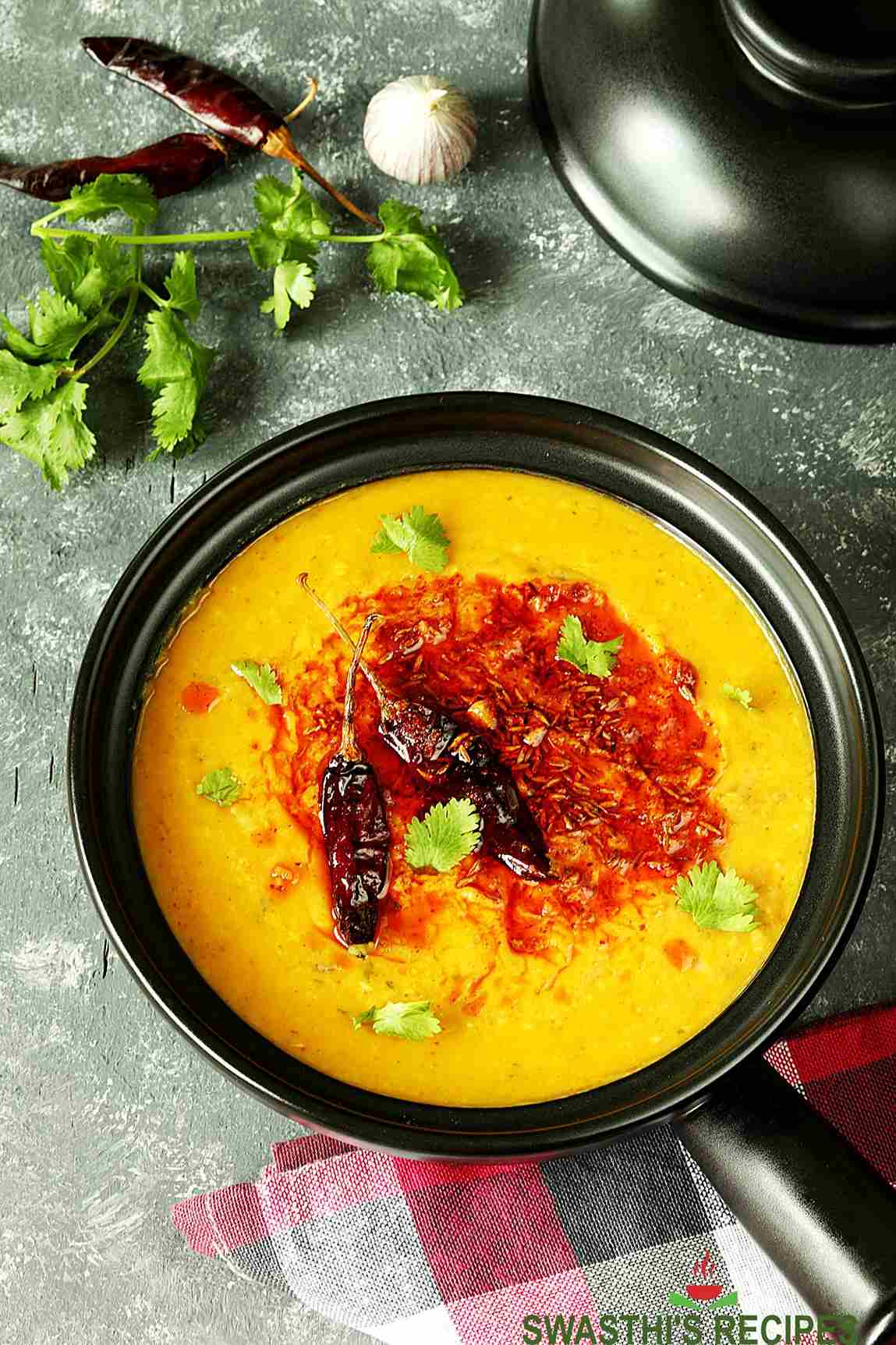
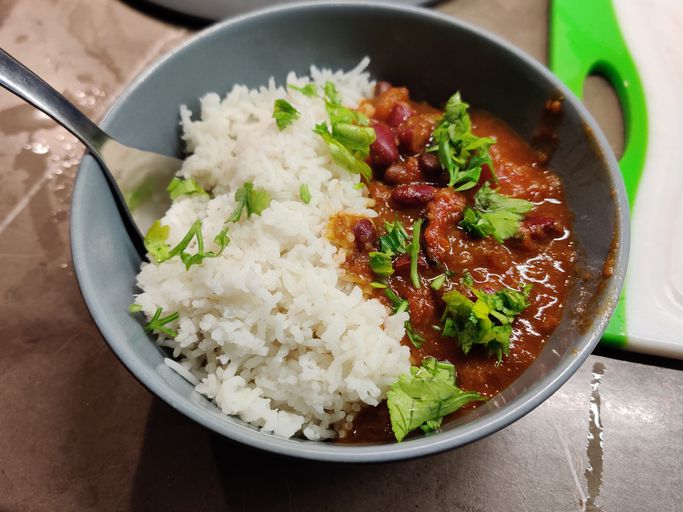
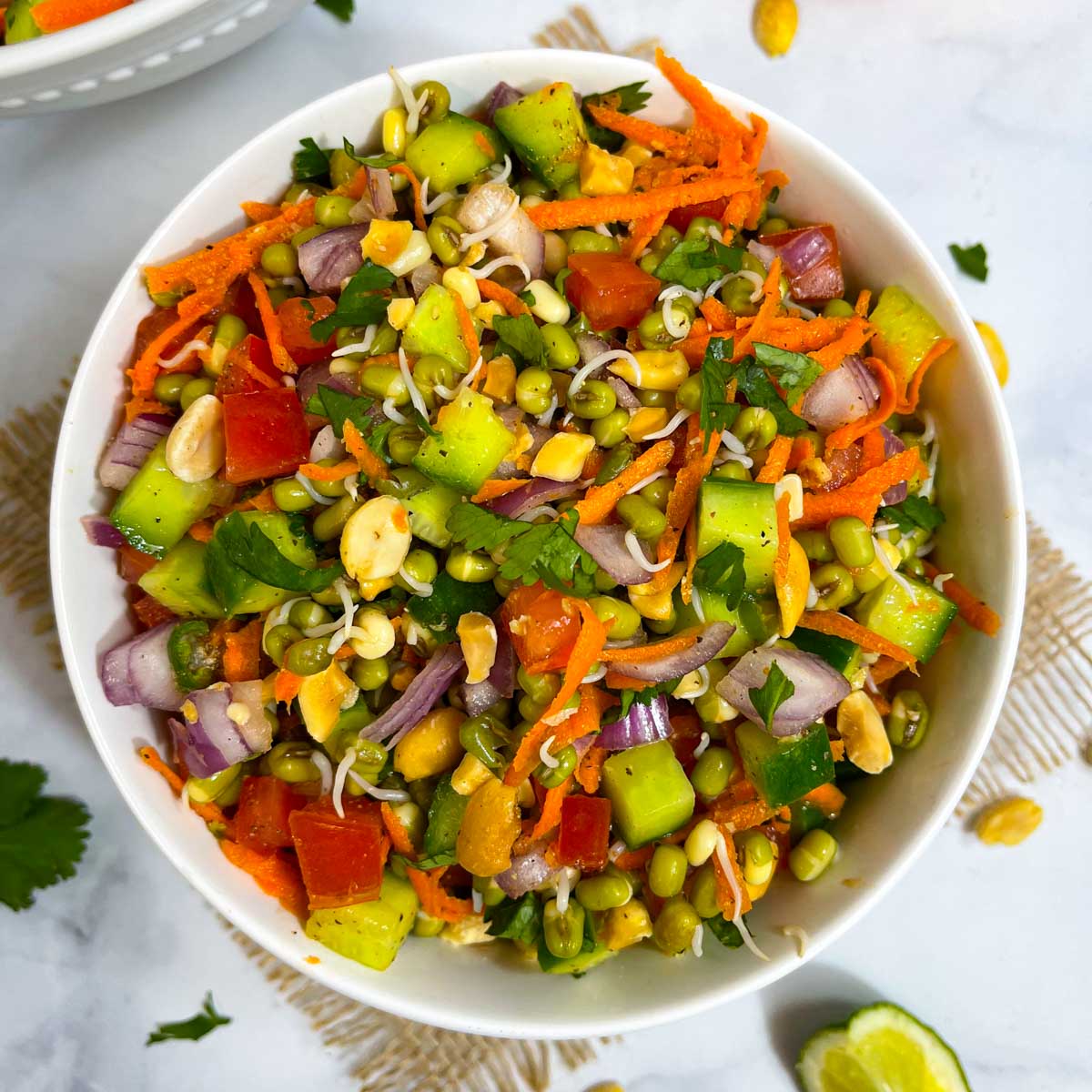
Lentils and beans — like moong, masoor, urad, toor, chana, rajma, and black beans — are staples in many households for a reason. They provide a solid amount of protein along with fiber, iron, and other micronutrients. A cooked cup of many lentils can contain 13–18 g of protein.
While most plant proteins are not “complete” on their own, combining pulses with grains (such as dal with rice, or rajma with roti) gives you a full set of essential amino acids. Regularly including pulses in your meals is a great way to build a high-protein vegetarian diet.
Soya Chunks & Soy Products (Tofu, Soy Milk, etc.)
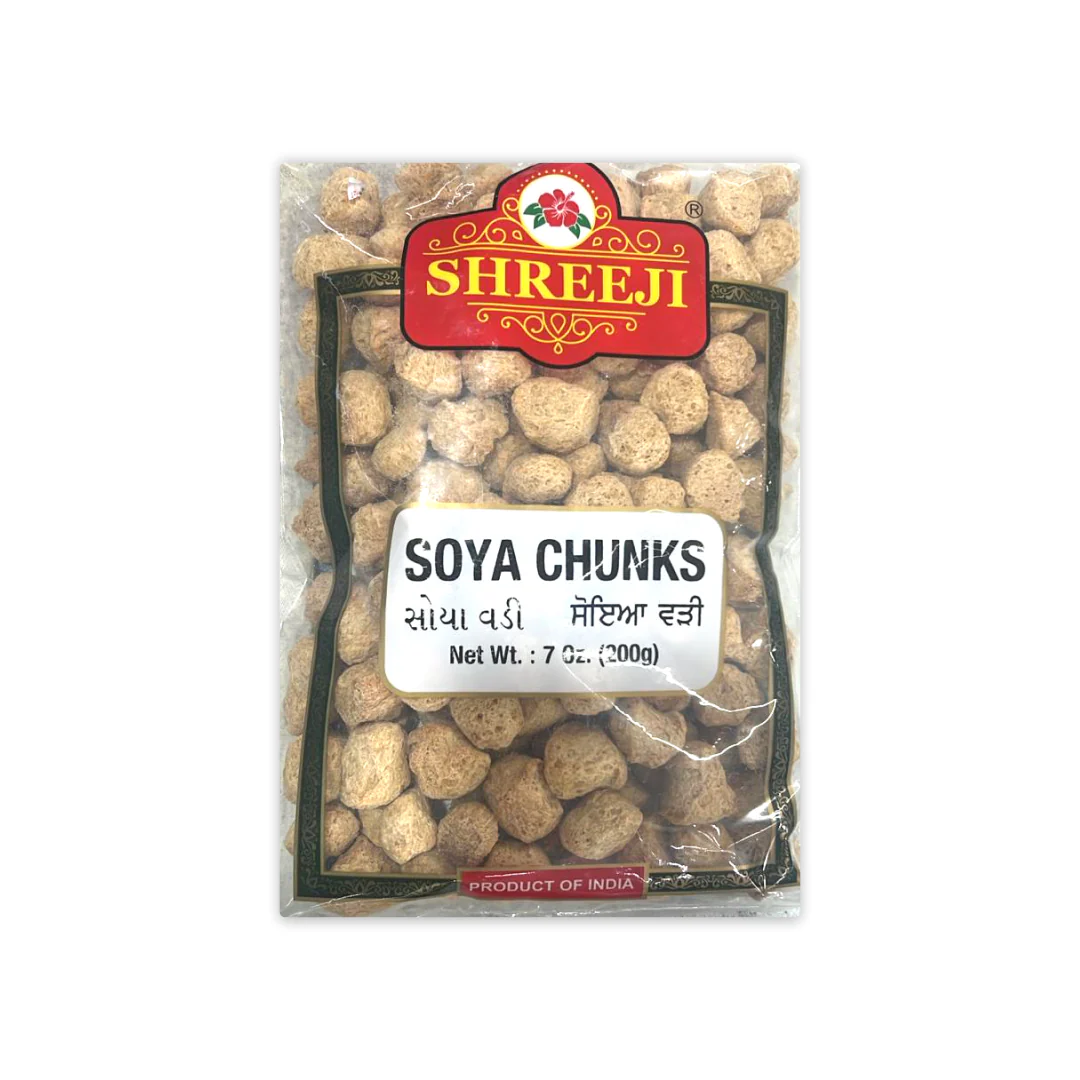
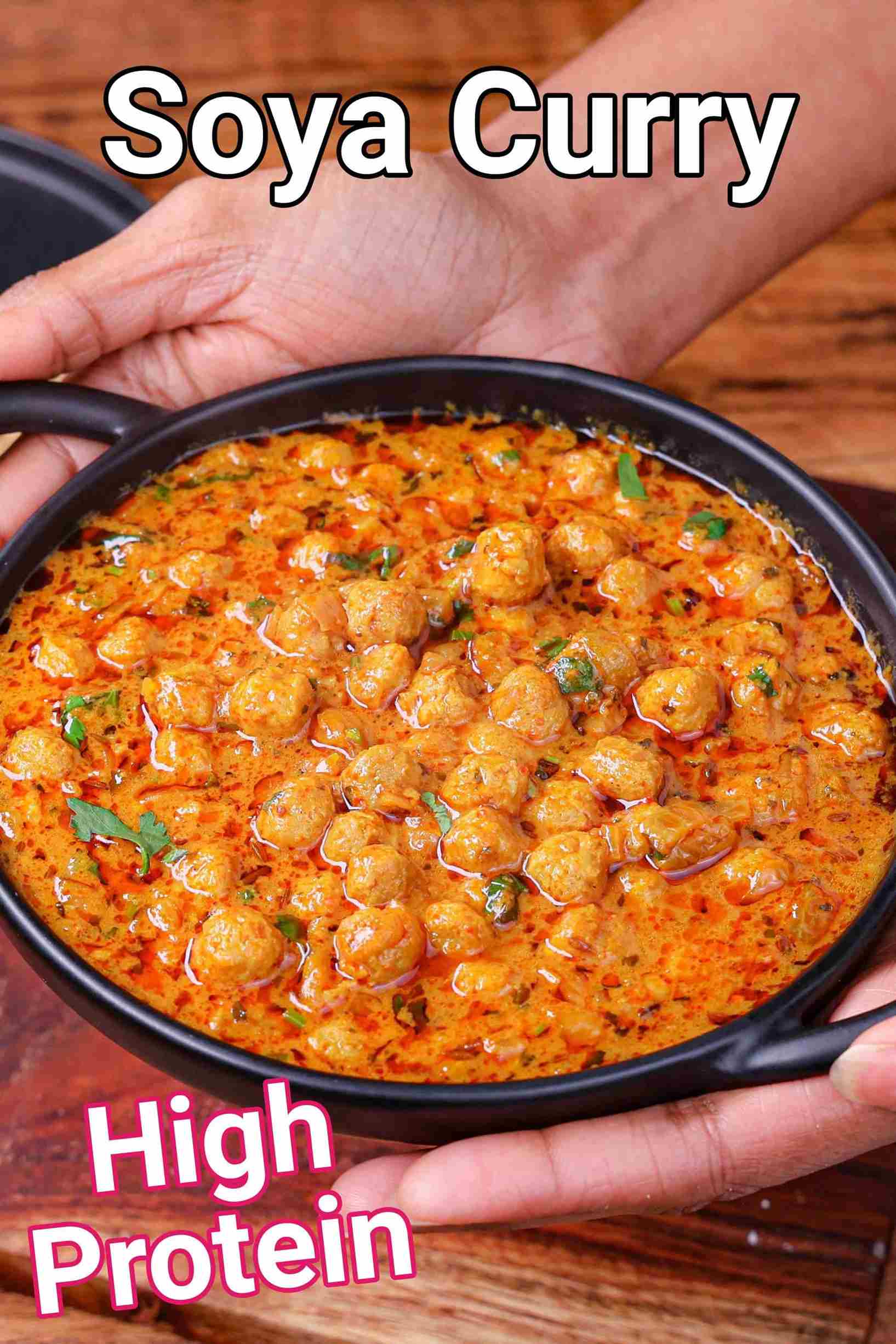
Soya chunks are among the most concentrated vegetarian protein sources, with up to around 50 g of protein per 100 g (dry). Once soaked and cooked, they become a satisfying, meaty ingredient for gravies, stir-fries, and biryanis.
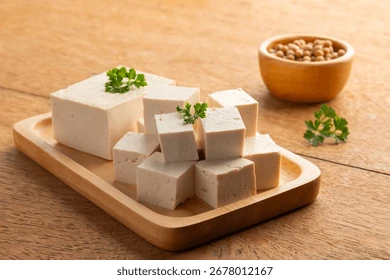
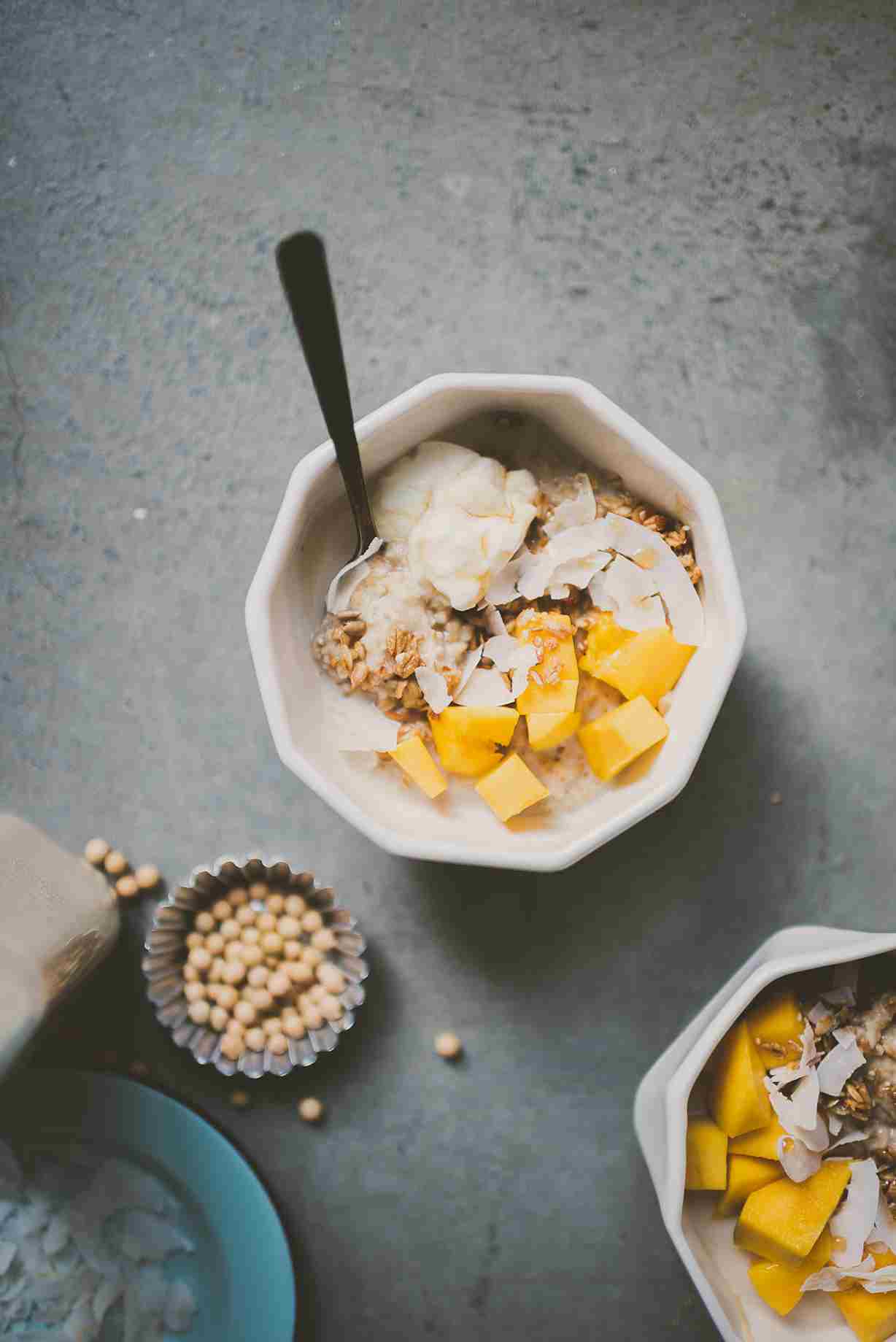
Tofu, tempeh, and soy milk are also excellent ways to increase your protein intake without animal products. Tofu can be grilled, sautéed, or added to curries, while soy milk is a convenient high-protein alternative to dairy for tea, coffee, and smoothies.
Nuts and Seeds
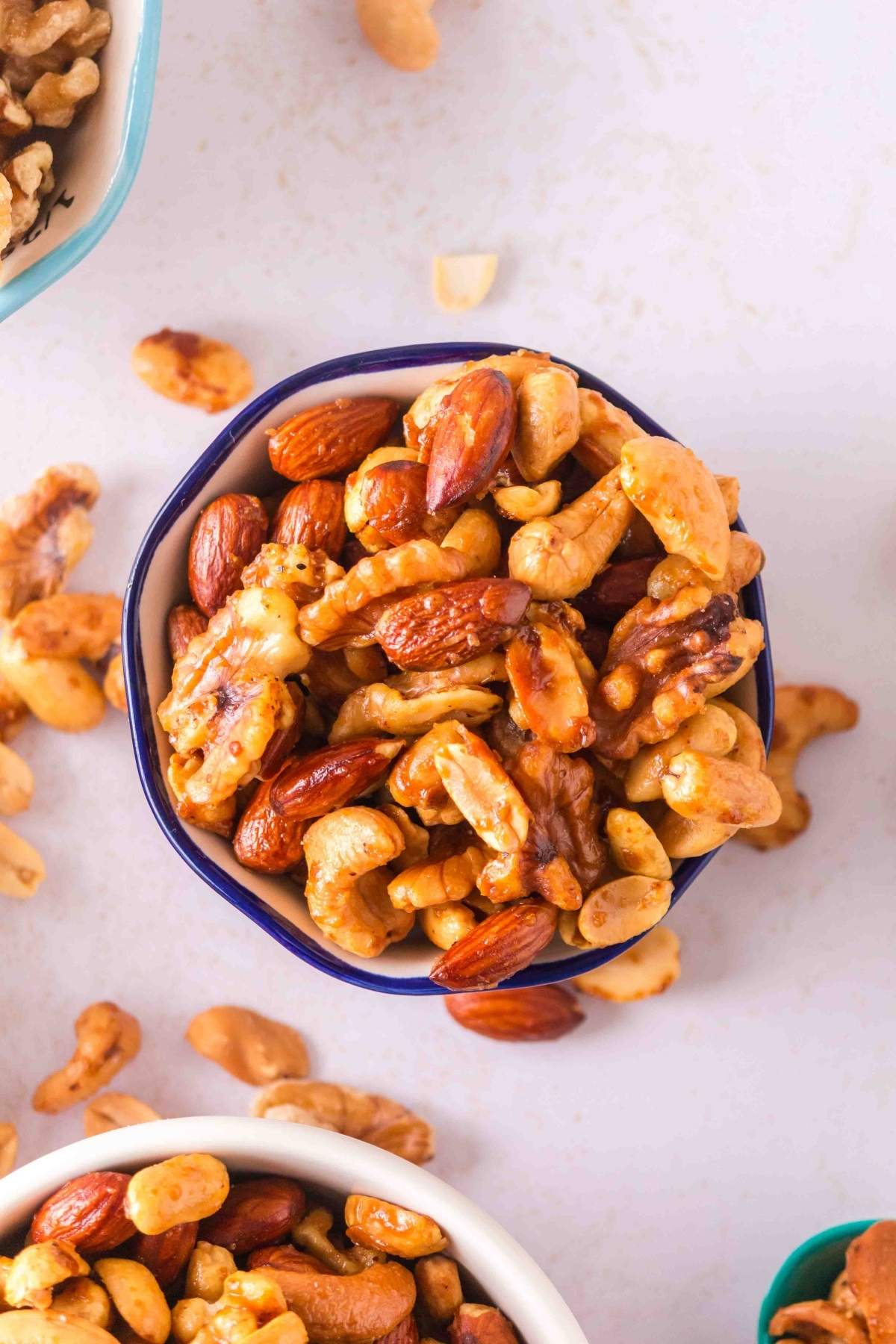
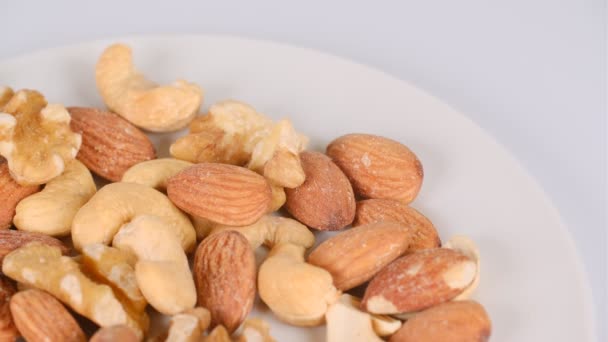
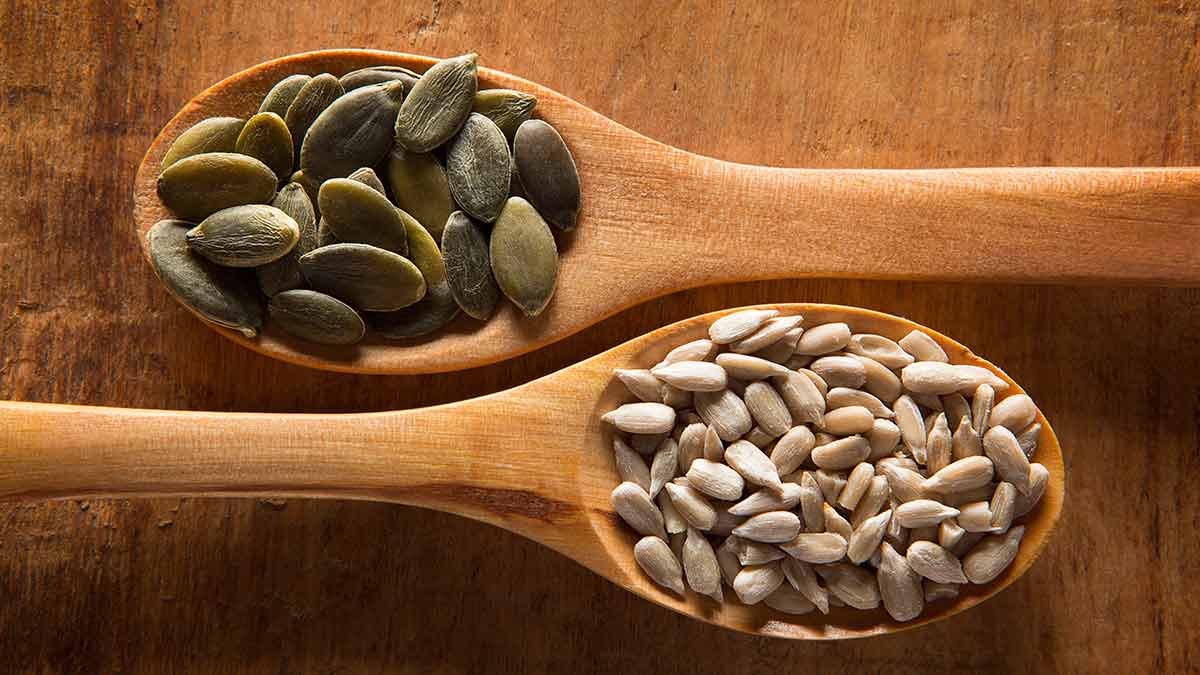
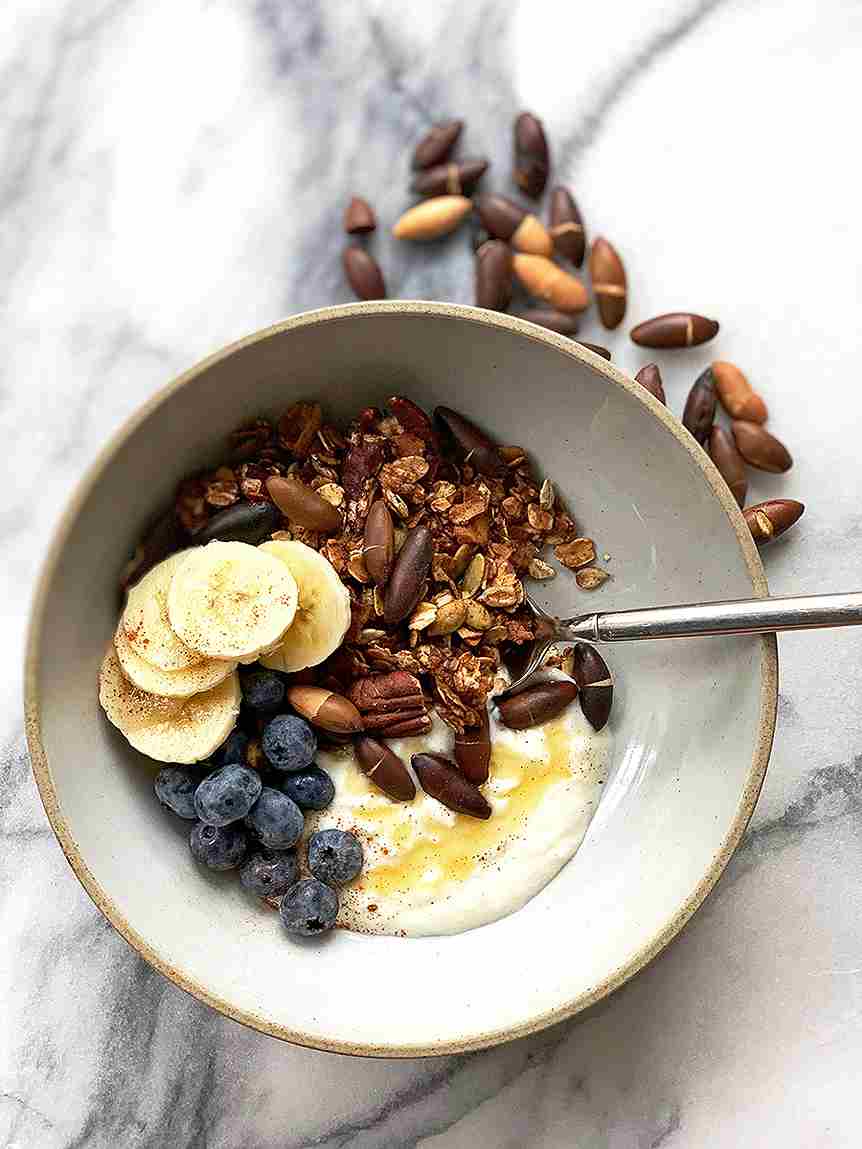
Nuts (like almonds, peanuts, walnuts) and seeds (like sunflower, pumpkin, chia, and flax) provide moderate amounts of protein alongside healthy fats, fiber, vitamins, and minerals. A small handful of nuts can provide 4–7 g of protein, depending on the type.
They’re perfect as quick snacks or as toppings for yogurt, smoothies, salads, or oatmeal. Just remember they’re calorie-dense, so keep portions in check if you’re also watching your total calorie intake.
🛠️ Tips to Make High-Protein Eating Easy, Affordable & Sustainable
Knowing which foods are high in protein is one thing; turning that knowledge into daily habits is another. These tips will help you consistently meet your protein goals without stress.
- Mix & match your sources: Combine animal and plant proteins across the day — for example, eggs or paneer at breakfast, dal at lunch, and chicken or tofu at dinner.
- Use local, budget-friendly foods: Lentils, pulses, eggs, soya chunks, paneer, and curd are often cheaper and easier to find than imported protein powders or bars.
- Spread protein evenly: Instead of eating most of your protein at one meal, aim for a decent portion at every meal and snack to support steady muscle repair and appetite control.
- Plan ahead: Cook large batches of dal, grilled chicken, or roasted paneer and store them safely so you have ready protein for quick meals.
- Balance your plate: Pair protein with complex carbs (like whole grains) and healthy fats (like nuts or olive oil) for sustained energy and better recovery.
- Stay hydrated & sleep well: Protein works best when your overall lifestyle supports recovery — that means enough water and good quality sleep.
📝 Sample Day Meal Plan (High-Protein)
Here’s a simple, high-protein day plan you can adapt to your own tastes. It uses many of the foods mentioned above and aims for a steady protein intake from morning to night.
| Meal | What to Eat / Drink |
|---|---|
| Breakfast | 2–3 eggs (boiled or scrambled) + 1–2 whole-grain chapati or toast + 1 glass of milk or soy milk. |
| Mid-morning Snack | A small bowl of yogurt with 1 tablespoon mixed nuts & seeds or a handful of roasted chana. |
| Lunch | 1–2 cups dal (moong, masoor, or mixed) + brown rice or roti + a side of paneer or curd + salad. |
| Afternoon Snack | Soya chunk stir-fry or sprouts chaat with onions, tomatoes, coriander, and lemon. |
| Dinner | Grilled chicken breast or fish (or tofu/soy curry for vegetarians) + mixed vegetable sabzi + 1–2 roti. |
| Post-dinner (optional) | A glass of warm milk or a small bowl of low-fat yogurt to support overnight recovery. |
You can adjust portion sizes depending on your body weight, activity level, and goals. The main idea is to include a meaningful protein source at every eating occasion.
✅ Key Takeaways
- Protein is crucial for muscle growth, metabolism, immunity, and everyday repair.
- You don’t need expensive supplements — eggs, chicken, fish, lentils, beans, soy, paneer, nuts, and seeds can cover your needs.
- Combining plant and animal proteins (or diverse plant proteins) gives you a broad range of nutrients and essential amino acids.
- Spread your protein intake across the whole day rather than relying on one heavy meal.
- For best results, pair a high-protein diet with regular movement, enough sleep, and good hydration.
Eating plenty of protein doesn’t have to be complicated or expensive. With simple, real foods — lentils, eggs, dairy, pulses, soy, nuts, chicken, and fish — you can easily fuel muscle growth, boost metabolism, support recovery, and feel stronger in your daily life.
If you’d like, I can also create a 7-day detailed high-protein meal plan tailored to your routine, budget, and whether you are vegetarian or non-vegetarian.